Key facts
- China has started construction on a new power plant in Shandong province that uses supercritical carbon dioxide for electricity generation.
- The facility will store excess energy in molten salt for later use during peak demand.
- The first phase includes a 50-megawatt supercritical unit and a 100-megawatt molten salt energy storage system.
- The project is being built on the site of the existing Bajiao coal-fired power station.
- Supercritical CO2 units are smaller, do not require water, are more efficient, and produce fewer emissions than traditional steam-based plants.
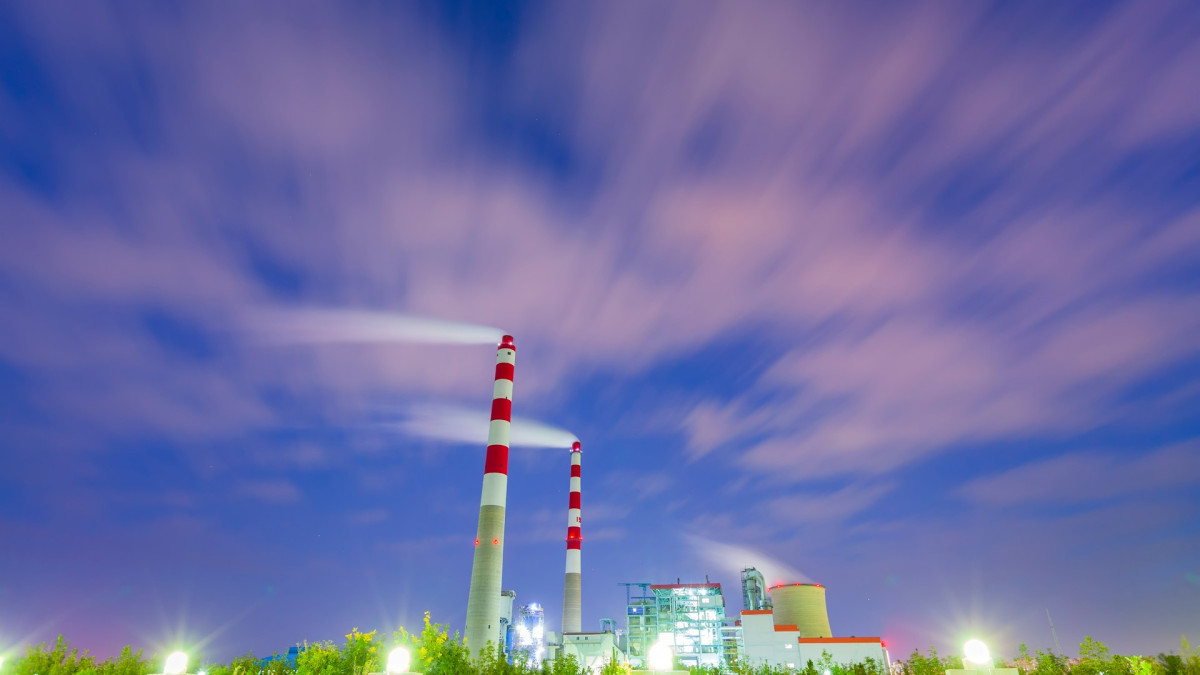
China has initiated construction on a groundbreaking energy facility in Shandong province that integrates advanced energy storage with a novel power generation method. The Ruitan demonstration project, located at the site of the Bajiao power station, will utilize molten salt to store thermal energy captured from the existing coal plant during low-demand periods. This stored energy will then be used to power a 50-megawatt supercritical carbon dioxide (sCO2) turbine, which generates electricity by using sCO2 instead of steam. The sCO2 system, with a 100-megawatt storage capacity, operates under specific temperature and pressure conditions where CO2 behaves as both a liquid and a gas.
According to the South China Morning Post, sCO2 plants offer significant advantages over traditional units, including smaller size, no water requirement, higher generation efficiency, and reduced carbon emissions, along with greater adjustability. This project is part of China's broader push into clean energy technologies, where the country has become a dominant force, increasing its share of global clean energy patent applications from 5% in 2000 to 75% in 2022. The New York Times noted in an August 2025 report that China's contributions are significant in moving the world away from fossil fuels.
Between 2019 and 2025, China invested over half of the global $1.1 trillion in clean energy, significantly outspending other nations, including the United States' $236 billion. This has positioned China as a global leader in clean energy manufacturing and technology. In contrast, the U.S. has seen a ban on Chinese-made batteries for utility-scale storage systems, a move intended to reduce reliance on Chinese supply chains but which may hinder short-term capacity additions due to the cost of alternatives.