Key facts
- XRG is reportedly considering acquiring up to 50% of Energos Infrastructure, a floating-LNG company.
- Energos Infrastructure is valued at around $3 billion.
- Shipowners have ordered an extraordinary wave of VLCCs, worth more than $20 billion.
- The global crude-tanker orderbook is at its highest absolute volume on record.
- Floating regasification infrastructure offers rapid deployment and flexibility to respond to supply disruptions.
- Disruptions around Hormuz and the Red Sea have forced buyers to look further afield for crude.
Global maritime and energy markets are signaling a significant shift, with geopolitical fragmentation and chokepoint insecurity driving a race for control over physical energy flows. Abu Dhabi's ADNOC investment arm, XRG, is reportedly considering acquiring up to 50% of Energos Infrastructure, a floating-LNG company valued at around $3 billion. Energos operates 13 floating LNG assets, including floating storage and regasification units (FSRUs) and LNG carriers, deployed in various countries under long-term contracts. The acquisition would provide XRG with flexible import capacity, enhancing energy security and market stability.
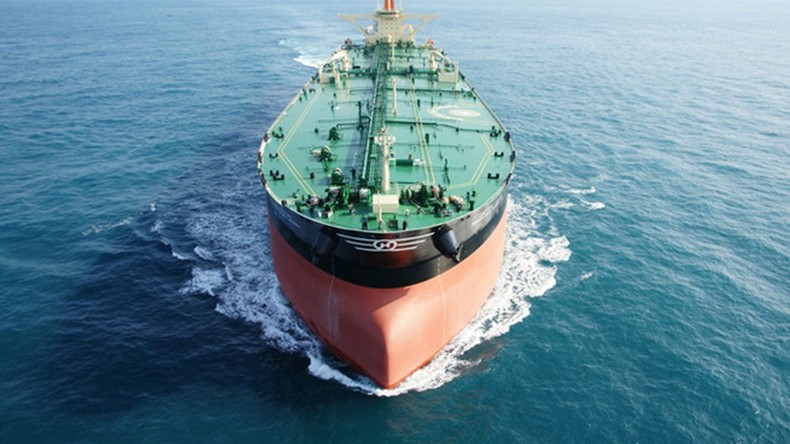
Simultaneously, shipowners have placed historic orders for Very Large Crude Carriers (VLCCs), committing capital to hundreds of millions of barrels of additional transportation capacity. Data providers offer differing figures, but estimates for 2026 VLCC orders range from 164 to 217, representing an investment of over $20 billion. This surge, the largest orderbook on record by deadweight tons, reflects a strategic bet on sustained long-distance oil trading, driven by disruptions in key shipping lanes like the Strait of Hormuz and the Red Sea. This increases ton-mile demand, as barrels must travel further from sources like the US, Brazil, and West Africa to Asian refiners.
While the energy transition remains a factor, the current investment tempo is set by security of supply. Floating infrastructure, such as FSRUs, offers rapid deployment and flexibility, enabling quicker responses to supply disruptions compared to land-based terminals. This speed and flexibility carry a high premium in the current geopolitical environment. XRG's ambition is to build a global gas and LNG portfolio of approximately 25 million tons per year by 2035, with potential acquisition of Energos filling a critical gap in its downstream maritime bridge. Neither XRG, Apollo Global Management (which is exploring options for Energos), nor Energos have formally confirmed any transaction, and discussions are considered preliminary.