Key facts
- Iran's oil sales generated $3 billion in September, the highest monthly revenue in two years.
- Oil revenue between March 21 and July 22 reached 99% of the projected budget for that period.
- The US naval blockade has disrupted Iran's oil exports and maritime trade.
- Iran has restricted passage through the Strait of Hormuz.
- Iran will not fully reopen the Strait of Hormuz until the US lifts the blockade, releases frozen assets, and ends sanctions.
- Over 1,200 electricity infrastructure sites in Tehran province were targeted during the war.
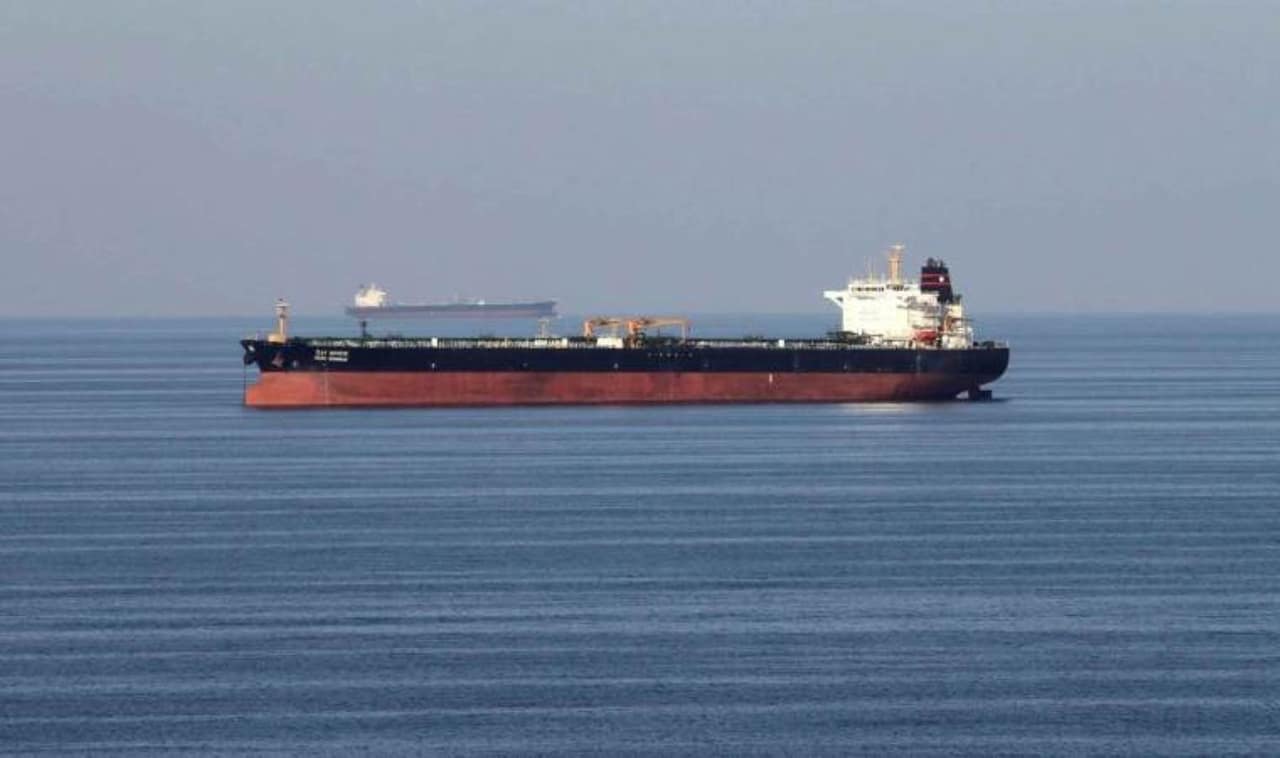
Iran's oil revenue has reached a two-year high, with September sales topping $3 billion, according to the Plan and Budget Organisation. This marks the strongest monthly total the country has recorded despite an ongoing US naval blockade that has disrupted its oil exports and maritime trade.
According to the semi-official Fars News Agency, Iran transferred $7.5 billion in oil revenue from sales between March 21 and July 22 to the central bank. This amount represents 99% of the projected budget for that period and is sufficient to cover the government's foreign currency expenditures from July through December. The development comes amid a US naval blockade that has disrupted Tehran's oil exports and maritime trade, with the Strait of Hormuz remaining a focal point of the conflict.
Iran has restricted passage through the strategic waterway, while the United States has demanded its reopening. A memorandum of understanding reached in June to end the US-Iran war included provisions for lifting the blockade and reopening the Strait of Hormuz. However, Iranian officials have stated that Tehran will not fully reopen the waterway until Washington fulfills its commitments, including ending the blockade, releasing frozen Iranian assets, and lifting sanctions.
Iranian President Masoud Pezeshkian acknowledged that US sanctions are impacting the country's economy, stating that the nation must accept wartime conditions. Tehran Governor Mohammad Sadeq Motamedian described the blockade as creating "very exceptional and unique" conditions for managing the country, noting intensified sanctions and attacks on infrastructure, including over 1,200 electricity infrastructure sites in Tehran province. The US-Israeli war on Iran began on February 28, with subsequent missile and drone strikes exchanged between Tehran and Israel/US facilities. Talks to finalize an agreement have stalled over security guarantees and freedom of navigation. The International Maritime Organization reported that approximately 400 vessels and 6,000 seafarers remain stranded in the Gulf.