Key facts
- Macron will convene G7 nations to discuss releasing emergency oil stocks.
- Europe's diesel benchmark price rose to over $200 per barrel this week.
- Saudi Aramco informed European refiners of no crude deliveries in October.
- Aramco is working to restore partial pipeline capacity within days.
- IEA members have released over 300 million barrels of emergency stocks since March.
French President Emmanuel Macron is urging G7 nations to consider another release of emergency oil stocks as Europe faces supply constraints and record diesel prices. Macron announced his intention to convene G7 countries in the coming weeks to coordinate stock levels, exports, and production capacity, with a focus on tapping strategic reserves.
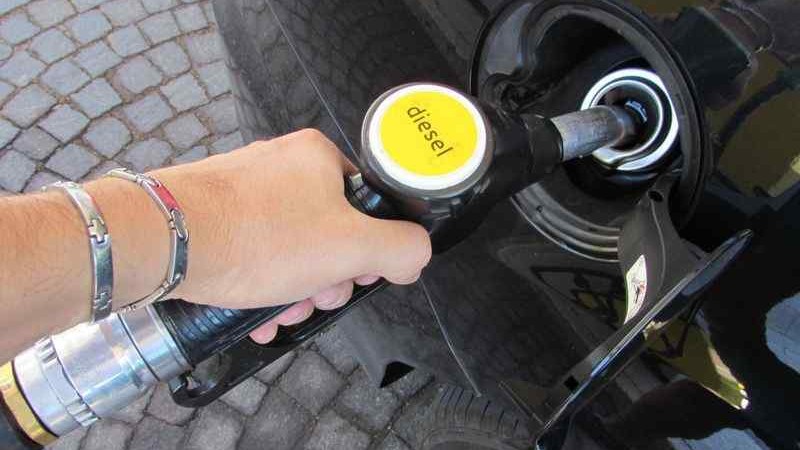
Europe's diesel market is particularly strained, with the benchmark price exceeding $200 per barrel this week, and retail-equivalent costs pushing above $300 with taxes. This situation is exacerbated by Russia's extended restrictions on diesel exports and ongoing constraints on Middle Eastern product exports.
Adding to Europe's supply concerns, Saudi Aramco informed at least two European refiners that they will not receive crude under term contracts in October. This follows an attack on its East-West pipeline, which the company is working to partially restore within days, with full recovery expected in about six weeks. Aramco has rerouted approximately 60 million barrels of crude through the Persian Gulf and ship-to-ship transfers, primarily destined for Asian refiners. Europe is seeking replacement crude from sources like the North Sea.
The G7 has already undertaken significant releases from emergency stocks, with IEA members deploying over 300 million barrels since March. Global inventories have decreased by 507 million barrels since the start of the war, with an average draw of 2.8 million barrels per day over the past six months. While another stock release could quickly supply physical barrels and finished fuel to Europe, it cannot address the root causes of the supply issues, such as pipeline damage or geopolitical constraints.