Key facts
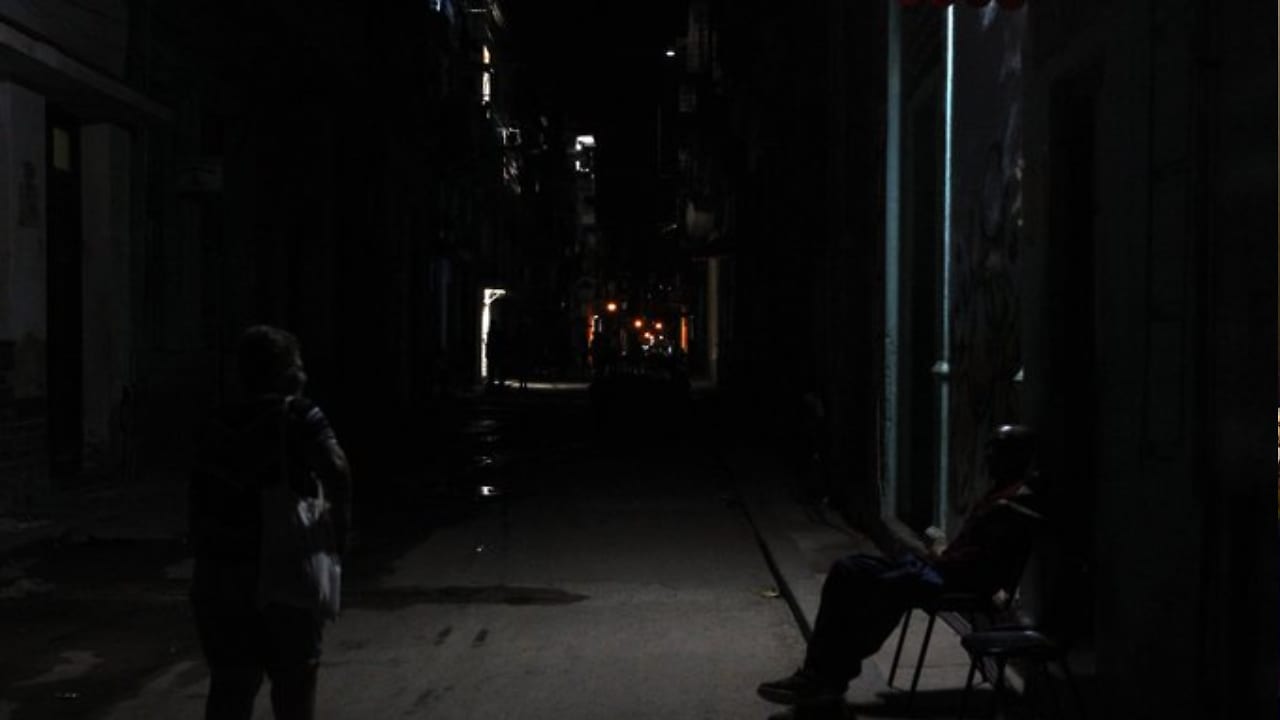
- Cuba's energy grid suffered a total collapse on Friday, affecting approximately 9 million people.
- The nationwide blackout disrupted daily life, impacting homes, hospitals, and public transportation.
- The outage was triggered by a transmission fault and poor weather conditions in central Cuba.
- Cuba's energy infrastructure is strained by fuel shortages, aging equipment, and US sanctions.
- Authorities have begun efforts to gradually restore power, with the process ongoing.
- This is at least the sixth partial or total blackout in Cuba this year.
Cuba's entire electricity grid suffered a total disconnection on Friday, triggering a nationwide blackout that left 9 million people without power. The country's energy ministry announced the collapse, which began just before 2 p.m. local time due to a transmission fault compounded by poor weather in central Cuba. Grid operator UNE stated that power restoration efforts were underway, with some priority areas like hospitals and water pumping stations in Havana receiving electricity by late evening. This marks at least the sixth partial or total blackout to hit the island this year. Cuba's energy sector is under strain from aging infrastructure, chronic fuel shortages, and US sanctions, which have impacted oil shipments. Residents described the frequent outages as a recurring problem, affecting daily life with disruptions to water, cooking gas, and electricity. The repeated blackouts have led to rare protests in the country.