Key facts
- The India-Middle East-Europe Economic Corridor (IMEC) was first unveiled in 2023.
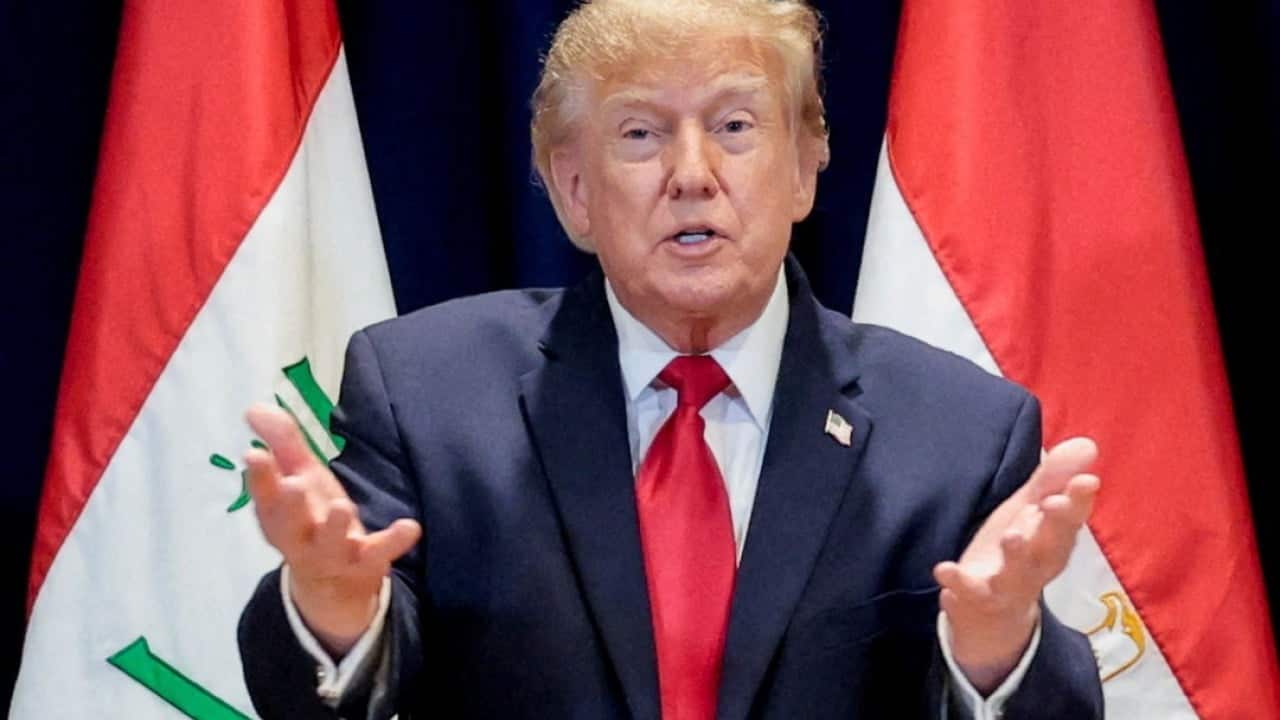
- US President Donald Trump has endorsed the IMEC.
- Houthi attacks in the Red Sea significantly reduced Suez Canal traffic.
- The Strait of Hormuz has become a point of confrontation between the US and Iran.
- Saudi Arabia's participation in IMEC is contingent on a pathway to a Palestinian state.
- The UN Security Council Resolution 2803 supports a fragile ceasefire and hostage return.
US President Donald Trump has lent his backing to the India-Middle East-Europe Economic Corridor (IMEC), a multi-modal trade route conceived in 2023 as an alternative to existing maritime passages and China's Belt and Road Initiative. The project, also backed by India, Saudi Arabia, the United Arab Emirates, and Israel, aims to connect India to Europe via the Middle East through a combination of sea and rail links.
The recent geopolitical turbulence, particularly in the Red Sea and the Strait of Hormuz, has highlighted the vulnerability of current shipping routes and underscored the potential value of IMEC. Houthi attacks in the Red Sea led to a significant drop in Suez Canal traffic, while confrontations between the US and Iran have cast doubt on the status of the Strait of Hormuz as an open waterway. For India, a major oil importer reliant on crude and gas from the Persian Gulf, these disruptions pose direct threats to its supply lines.
However, analysts caution that the corridor's success hinges on overcoming significant political obstacles, especially along its northern arm. The planned rail segments through Jordan to the Israeli port of Haifa depend on a normalization of Arab-Israeli relations, which has been stalled since the October 2023 Hamas attack and the subsequent Gaza War. Saudi Arabia has made it clear that normalization with Israel requires an irreversible pathway to a Palestinian state, a condition that remains a sticking point. The UN Security Council Resolution 2803 has helped maintain a fragile ceasefire and secure hostage returns, but the envisioned political transition is stalled, impacting the corridor's financing and political feasibility.