Key facts
- South Korea's military found a North Korean antipersonnel mine on Tuesday near the site of a Sept. 21 blast in the DMZ.
- The Sept. 21 blast injured three South Korean soldiers, two severely.
- North Korean land mines are considered the highly likely cause of the Sept. 21 blast.
- The mine was found about 1 meter behind the site of the second explosion during a joint inspection with the UN Command.
- Defense Minister Kang Shin-chul stated there was one additional mine at the site, not three as initially believed.
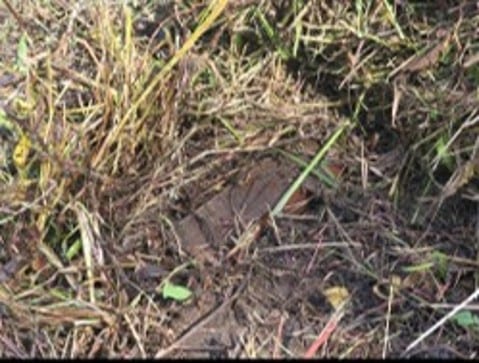
SEOUL, Sept. 29 (Yonhap) -- The South Korean military on Tuesday discovered a North Korean resin antipersonnel mine approximately 1 meter behind the site of a recent explosion within the Demilitarized Zone (DMZ) that injured three South Korean soldiers. This finding comes a day after the military concluded that North Korean land mines were "highly likely" responsible for the Sept. 21 blast.
The incident occurred south of the Military Demarcation Line (MDL) separating the two Koreas. The blast injured three South Korean soldiers, with two sustaining severe wounds. The explosions took place while a team was clearing a path for a joint inspection by the South Korean military and the United Nations Command (UNC) to investigate suspicions that North Korea had illegally buried land mines across the border, violating the Korean War armistice agreement.
The Joint Chief of Staff (JCS) stated that the mine found on Tuesday was discovered during a joint inspection with the UNC, which began Sunday. This newly found mine is believed to be distinct from any unexploded mine previously observed by soldiers retreating from the blast area. Based on soldiers' accounts of spotting an unexploded mine, the JCS had initially estimated three mines were present at the site, including the two that detonated. The discovery on Tuesday potentially adds a fourth mine to the total.
Maj. Gen. Yang Jin-hyuk, director of the JCS operations planning division, detailed that the survey team identified the mine about 1 meter behind the location of the second explosion. Defense Minister Kang Shin-chul confirmed these findings during a plenary session at the National Assembly, noting that there was "not three but one more" mine at the explosion site. The inspection on Tuesday involved approximately 30 personnel, including members of the UNC's Military Armistice Commission and officers involved in the initial operation. The JCS indicated that further examinations would be conducted to provide an objective and transparent outcome to the public.