Key facts
- Singapore's air pollution has reached the highest levels globally.
- Haze from Indonesian wildfires is blanketing the region.
- Air quality in Singapore was in the 'very unhealthy' range on Wednesday afternoon.
Singapore's air quality has reached the highest pollution levels globally due to haze from Indonesian wildfires, impacting the region and leading to school closures in Malaysia. The pollution is occurring days before the city-state's Formula One weekend.
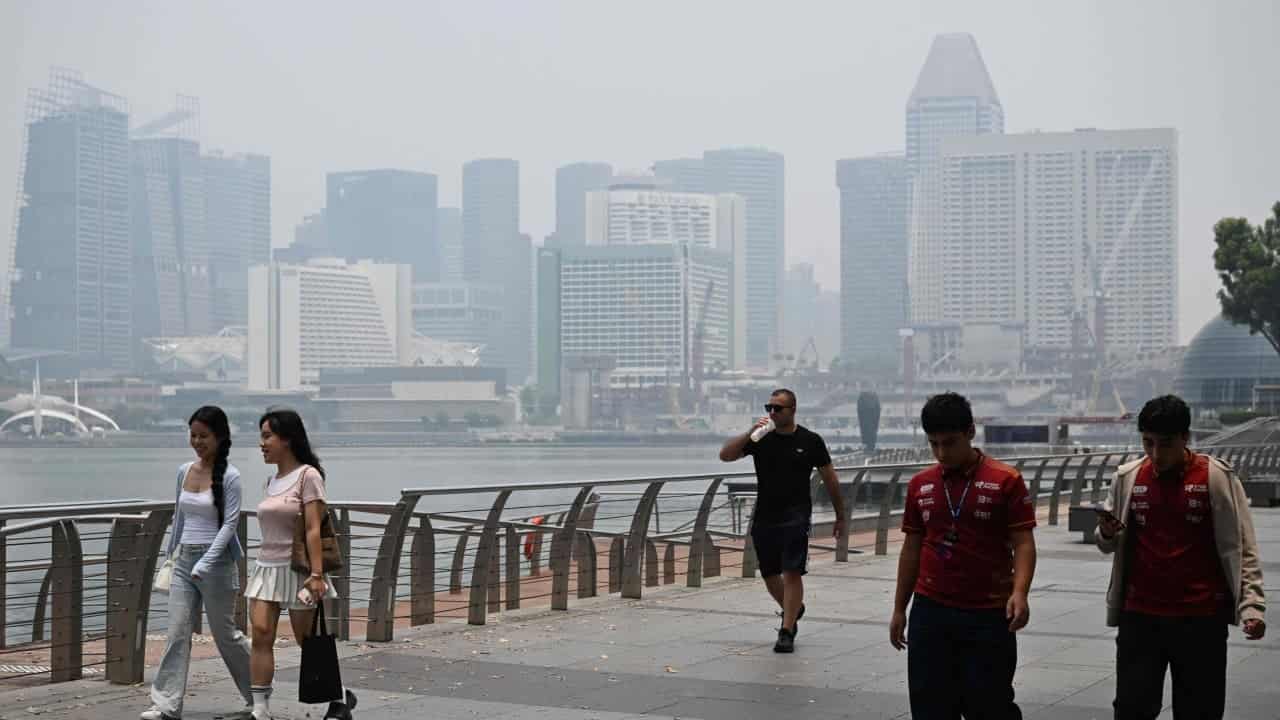
Severe air pollution from wildfires poses significant health risks to populations in Singapore and Malaysia, impacting daily life and potentially disrupting major events like the Formula One weekend. The lack of effective legal recourse for transboundary pollution highlights a persistent challenge in regional environmental governance.
Singapore's air quality has deteriorated to become the worst in the world, with haze from Indonesian wildfires blanketing the region and impacting daily life just days before the city-state's annual Formula One weekend. As of Wednesday afternoon, air quality levels in Singapore were in the "very unhealthy" range, according to data from IQAir. Kuala Lumpur, previously the most polluted city, ranked second globally.
In response to the severe haze, schools in the Malaysian state of Johor, located about 140 kilometers northwest of Singapore, were closed. Respiratory complaints have also been reported to be skyrocketing across the region.
Despite the ongoing pollution crisis, which has affected neighboring countries for over a month, existing legal frameworks offer limited recourse for addressing transboundary air pollution. Experts note that suggestions to take Indonesia to the International Court of Justice face significant obstacles.
Pick the topics you care about. Get only what matters, on your cadence.