Key facts
- Russia conducted its eighth consecutive day of attacks on Kyiv on September 3, 2026.
- One person was killed and six were injured in the attacks.
- A high-rise residential building was damaged, with the ninth floor affected.
- A Coca-Cola plant in Brovary sustained damage.
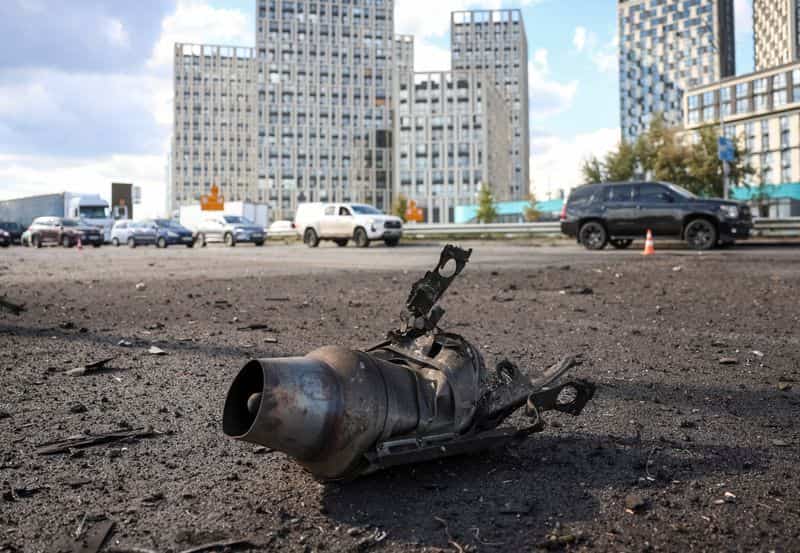
- Debris from a drone attack also damaged cars and injured two people, including a 12-year-old.
Russia's sustained aerial assaults on Kyiv continued for the eighth consecutive day on September 3, 2026, resulting in one fatality, six injuries, and damage to civilian infrastructure, including a high-rise residential building and a Coca-Cola plant. Officials reported that the ninth floor of a residential building was damaged, leading to the evacuation of 15 people. Debris from drone attacks also caused damage to cars and injured two individuals, with a 12-year-old among those hurt. This marks the latest in a series of attacks that have made the summer of 2026 the deadliest for civilians since the full-scale invasion began, exacerbated by Ukraine's significant shortage of air defense systems. In response to the ongoing onslaught, President Volodymyr Zelensky announced a new aerial alert system designed to differentiate between missile and drone threats.