Key facts
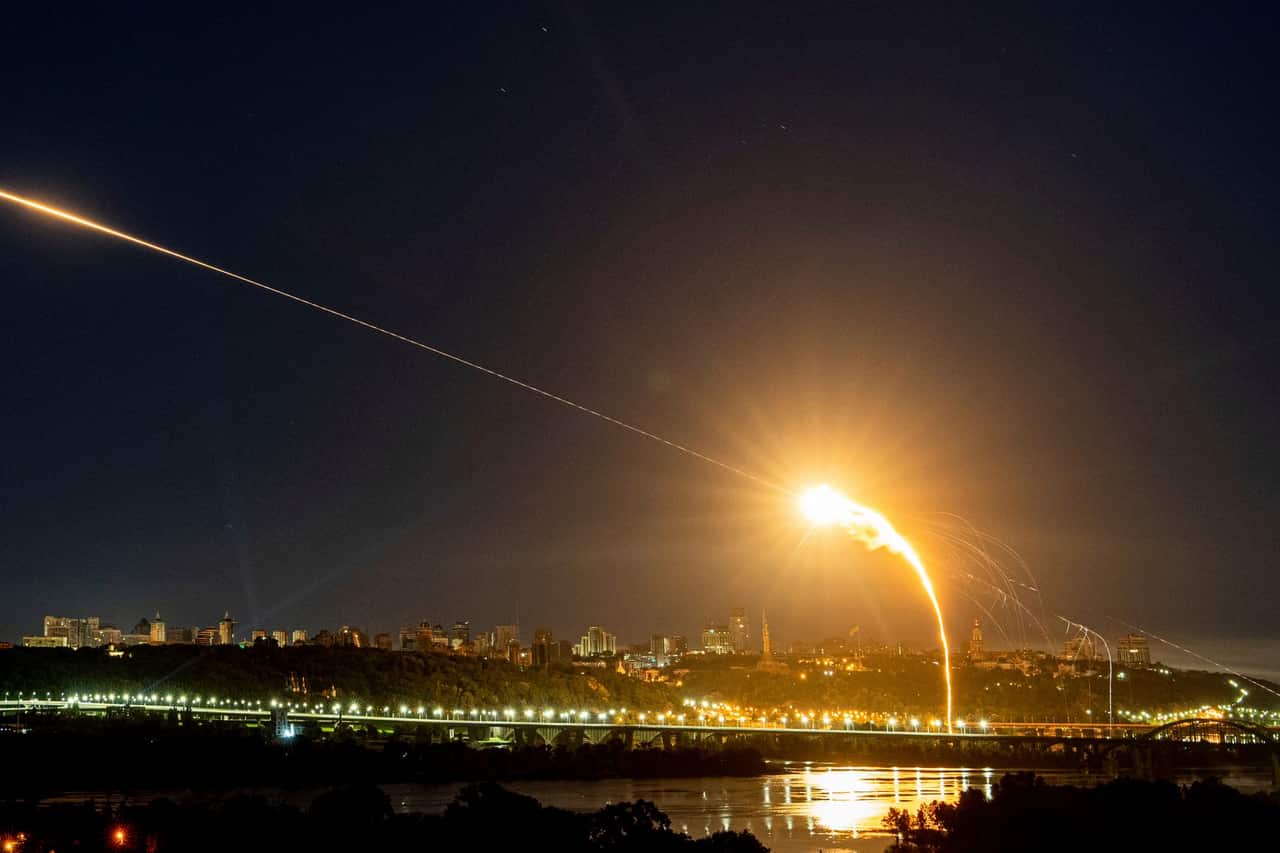
- Kyiv was targeted by Russian drones for the seventh consecutive night on Sept. 2.
- Explosions were heard in the capital, indicating potential hits.
- Air defense units were actively engaged in repelling the drones.
- Air raid alerts were also issued in cities beyond the front lines.
- President Zelensky announced a new two-tiered aerial alert system.
- Ukraine is experiencing a significant shortage of air defense systems.
Kyiv was struck by a Russian drone attack late on September 2, marking the seventh consecutive night of assaults on the capital. Explosions were reported shortly before 11 p.m. local time, with subsequent blasts suggesting targets may have been hit. Mayor Vitali Klitschko confirmed that air defense units were actively engaged in repelling the drones and advised residents to remain in shelters. Air raid alerts were also activated in cities distant from the front lines, including Ternopil in western Ukraine, as the Air Force warned of incoming drones. This latest barrage follows a week of sustained Russian attacks, which have included daytime strikes, continuous air raid sirens, ballistic missile attacks, and significant civilian casualties. In response to the escalating attacks, President Volodymyr Zelensky announced an overhaul of Ukraine's aerial alert system, introducing red and yellow levels to differentiate between missile threats and drone warnings. The ongoing Russian offensive occurs amid a critical shortage of air defense systems in Ukraine, leaving cities vulnerable to ballistic missiles and jet-powered drones. This air defense crisis has contributed to making the summer of 2026 the deadliest period for civilians since the initial months of the full-scale invasion.