
Key facts
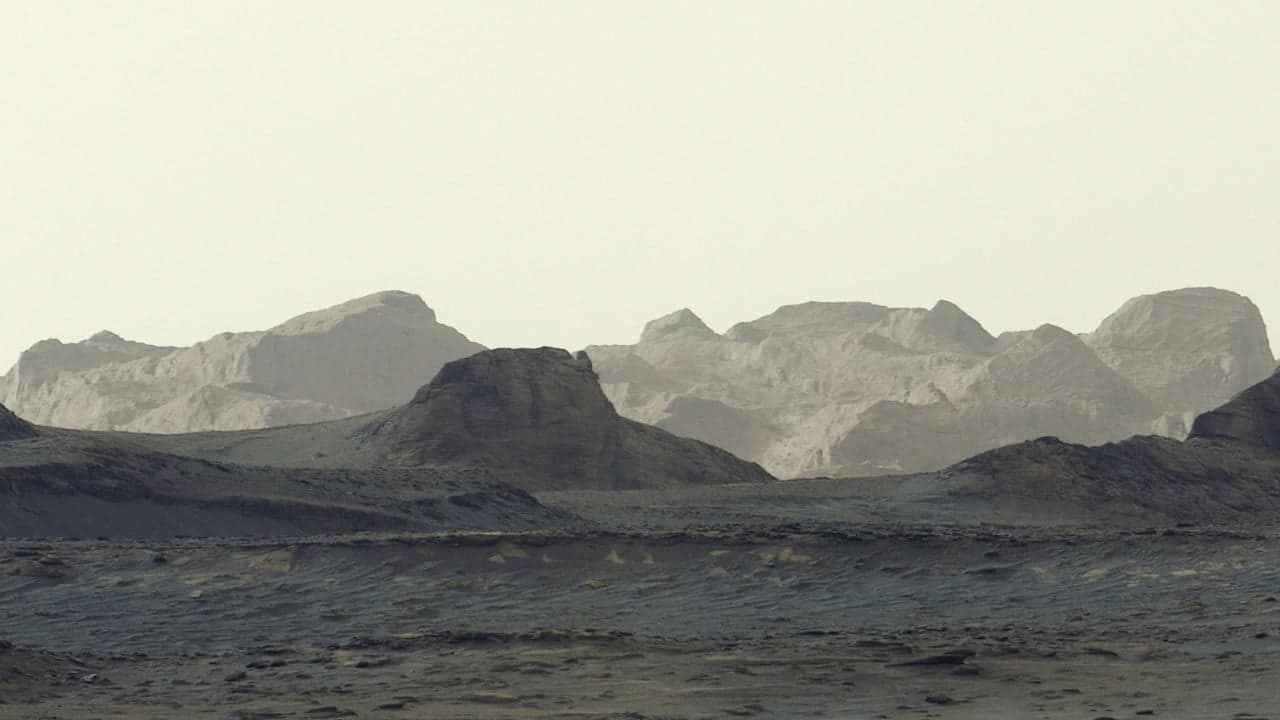
- Nasa released a striking image of dawn on Mars taken by its Curiosity rover.
- The image shows sunlight bathing jagged crags formed billions of years ago.
- The Curiosity rover landed in Gale Crater in 2012 and has been climbing Mount Sharp since 2014.
- The image was taken by the rover's Mastcam camera about an hour after sunrise.
- The crags, known as yardangs, are a rock layer on Mount Sharp that scientists believe may have been formed by wind-blown sediment or volcanic ash.
NASA has released a striking image of dawn on the Martian surface, captured by its Curiosity rover. The photograph, taken about an hour after sunrise by the rover's Mastcam camera, shows sunlight illuminating jagged crags known as yardangs on Mount Sharp. These wind-carved cliffs are part of a rock layer that scientists believe may have formed from wind-blown sediment or ash deposited by ancient volcanic eruptions.
The car-sized Curiosity rover landed in Gale Crater near the Martian equator in 2012. Since 2014, it has been ascending Mount Sharp, a 5-kilometer-tall (3-mile-tall) mountain rising from the crater floor. The rover recently passed a milestone, reaching 1 kilometer (0.6 miles) of elevation gain on its climb, the most ever achieved on Mars. Scientists are eager to study the yardang layer up close, as it appears distinct from other layers and may hold clues about Mars' ancient environment, including evidence of past lakes and streams.