Key facts
- Moroccans are voting in a parliamentary election on Wednesday.
- The election will shape the government overseeing preparations for the 2030 World Cup.
- The government is investing around $20 billion in infrastructure for the World Cup.
- The next parliament will focus on addressing youth discontent and economic issues.
- The ruling National Rally of Independents (RNI) and Authenticity and Modernity Party (PAM) have pledged to create about 1 million jobs each.
- Prime Minister Aziz Akhannouch is not standing again after stepping down as RNI leader.
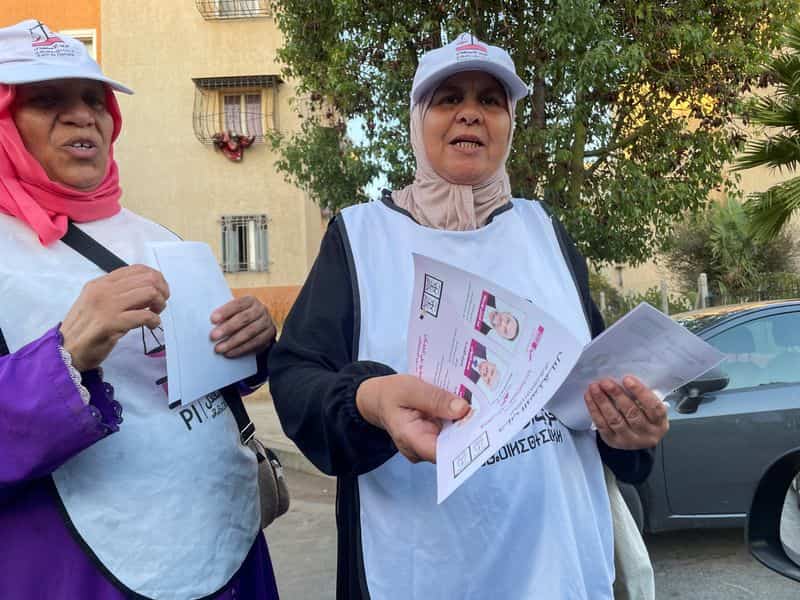
Moroccans are heading to the polls on Wednesday for a parliamentary election that will shape the government responsible for overseeing the final stages of a $20 billion investment drive to prepare for the 2030 World Cup. The election is also expected to influence policies aimed at directing economic gains towards the country's youth, who have shown signs of discontent.
While the election is not anticipated to fundamentally alter the balance of power in Morocco, given the king's extensive authority over policy, defense, and foreign affairs, the incoming parliament will be tasked with implementing initiatives to address youth concerns. These concerns have been highlighted by events such as the mass border rush to the Spanish enclave of Ceuta and protests led by young people last year.
The current government comprises three parties, including two founded by individuals close to the palace. These parties unseated a moderate Islamist party that had come to power a decade earlier following the 2011 Arab Spring protests. The 2011 constitution grants the king the power to appoint the prime minister from the party securing the most seats, who must then form a coalition for royal approval.
Polling stations are scheduled to open at 8 a.m. (0800 GMT) and close at 7 p.m. (1900 GMT), with preliminary results typically announced the following day. Voter turnout, especially among young people, will be closely monitored as an indicator of public engagement with elected institutions. Approximately 27 million Moroccans are eligible to vote, but only 15.8 million are registered, a decrease of about 12% from the 2021 election.
Leading parties, the National Rally of Independents (RNI) and the Authenticity and Modernity Party (PAM), have both promised to create approximately 1 million jobs each during the next five-year term, alongside commitments to improve housing, wages, and healthcare. Despite governing together, disagreements have emerged during the campaign regarding policy shortcomings, including the inability to curb rising food prices. Consequently, PAM leaders have indicated they would not join another coalition with RNI if RNI wins the most seats.
Prime Minister Aziz Akhannouch, a businessman who has led the government since 2021, is not seeking re-election after stepping down as RNI leader. Fouzi Lekjaa, the budget minister and a key figure in Moroccan football, joined PAM's leadership shortly before the election. Morocco is making substantial investments in infrastructure, including stadiums and railways, in preparation for co-hosting the 2030 World Cup with Spain and Portugal, with a goal to double its per capita economic output by 2035. The International Monetary Fund estimates this planned spending at around 190 billion dirhams, or approximately $20 billion, representing nearly 12% of its 2024 GDP.