Key facts
- Berlin faces an acute housing shortage, needing 211,000 more homes by 2040.
- Advertised rents in Berlin have nearly doubled since 2014.
- The Left Party leads polls at 23%, followed by the CDU at 21% and the AfD at 17%.
- The Left Party and AfD have roughly doubled their support since Berlin's last election in 2023.
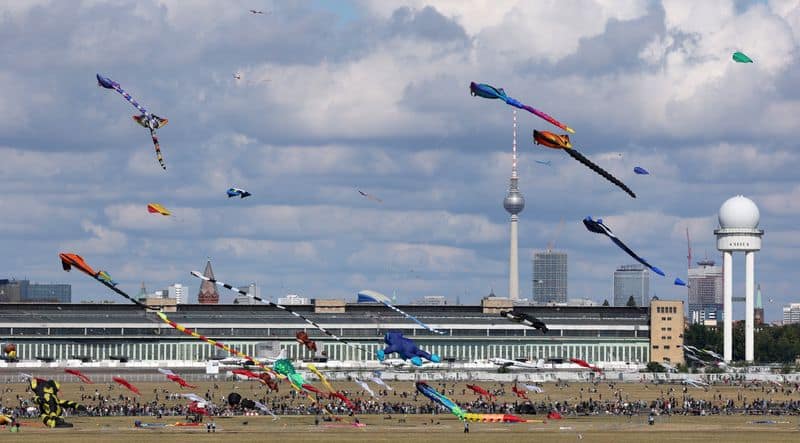
- The fate of the Tempelhofer Feld, a large open space, is a key debate point between housing development and preserving green space.
- A 2014 referendum saw nearly two-thirds of Berliners vote against development on Tempelhofer Feld.
Berliners are focused on the city's severe housing shortage and rapidly increasing rents as they head into a crucial election on Sunday. The crisis has intensified debate over whether to allow housing development on the historic Tempelhof airfield, a large public green space.
While immigration has been a key issue in other German state elections, driving support for the far-right Alternative for Germany (AfD) party, housing concerns are paramount in Berlin, where 85% of residents are renters. The city requires an additional 211,000 homes by 2040, and advertised rents have nearly doubled since 2014, leading to widespread frustration with the current city government.
Polls show the far-left Left Party leading with 23% support, followed by the center-right Christian Democrats (CDU) at 21%, and the AfD at 17%. Both the Left Party and the AfD have seen their support roughly double since the last Berlin election in 2023.
The Left Party is campaigning on a platform of building affordable housing, freezing rents for a year, limiting future increases to 1%, and reducing rents that are significantly above the local average. The AfD, meanwhile, has linked the housing crisis to its calls for restricting immigration.
The debate over Tempelhof Feld, an open space nearly twice the size of London's Hyde Park, highlights a conflict between the urgent need for housing and the desire to preserve public green areas. A 2014 referendum indicated strong public opposition to developing the site, though some parties, including the CDU and AfD, now support limited development there, citing the current housing demand. Others, like the SPD and Greens, oppose construction on Tempelhof and advocate for developing alternative sites.
Berlin's economic growth over the past decade, driven by its services sector and a thriving startup scene, has contributed to rising rents and housing costs. Many residents struggle to afford monthly rents that can exceed €1,500 for a small apartment. The city's once-distinctive "poor but sexy" image is fading as costs rise to levels comparable to other major European cities.
The election campaign has been challenging for the ruling CDU and SPD. CDU Mayor Kai Wegner withdrew as lead candidate following criticism of his handling of a January power outage, and the SPD's lead candidate, Steffen Krach, is under investigation related to a health sector tender process.