Key facts
- The Left Party won the Berlin state election on Sunday.
- Lead candidate Elif Eralp pledged to nationalize private housing associations.
- The Left Party secured 25.3% of the vote, ahead of the CDU (19%), AfD (16%), and SPD (12.1%).
- The policy would transfer approximately 220,000 housing units to state ownership.
- Nationalizing housing associations is estimated to cost €20 billion.
- The Greens indicated a willingness to form a coalition but demanded a clear commitment against antisemitism.
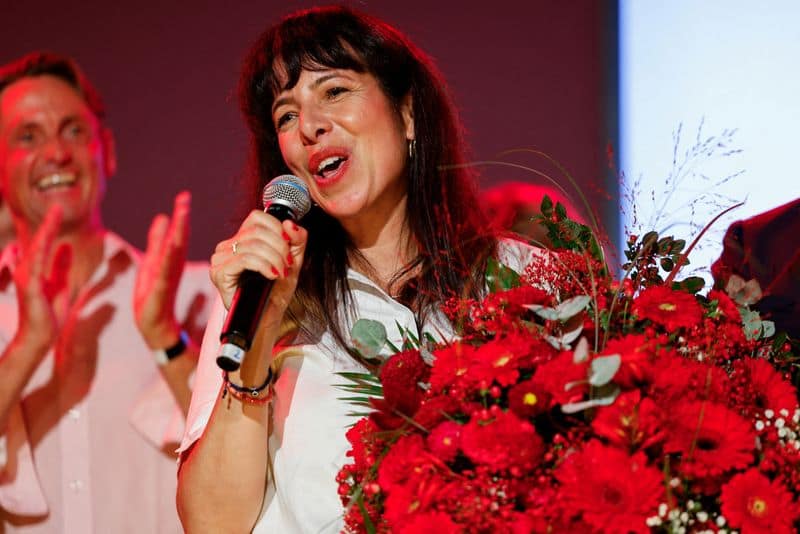
The far-left Left Party emerged victorious in the Berlin state election on Sunday, a result that overshadowed the continued gains of the far-right Alternative for Germany (AfD) in eastern Germany and marked a setback for Chancellor Friedrich Merz's ruling coalition. Lead candidate Elif Eralp, whose party doubled its previous electoral score, campaigned on the escalating cost of housing in the capital and immediately vowed to implement a pledge to nationalize private housing associations.
With counting nearing completion, it became clear that the Left Party would unseat the conservative Christian Democrats (CDU) from the mayor's office. Eralp, the 45-year-old daughter of Turkish immigrants, described the rental situation as the city's most significant social issue and reiterated her commitment to nationalizing approximately 220,000 housing units, a policy supported by a 2021 referendum. However, the feasibility and cost of this plan are subjects of debate, with SPD general secretary Tim Kluessendorf estimating the cost at €20 billion, and an Infratest Dimap poll indicating only 37% public support.
The election coincided with the AfD's success in Mecklenburg-Western Pomerania, further highlighting the party's growing influence. Despite the AfD attracting significant attention, the Left Party has also benefited from a broader disillusionment with mainstream political parties. The German economy's struggles and uncertainty about the future, alongside a primary focus on rental costs, were key themes influencing the vote.
Significant hurdles remain for Eralp's agenda. While both the SPD and the Green Party have signaled a willingness to form a coalition, the Greens' leader, Felix Banaszak, stated that addressing accusations of antisemitism within parts of the Berlin Left Party is a prerequisite for partnership. The Left Party denies systematic antisemitism, asserting its opposition to all forms of group-focused hostility.