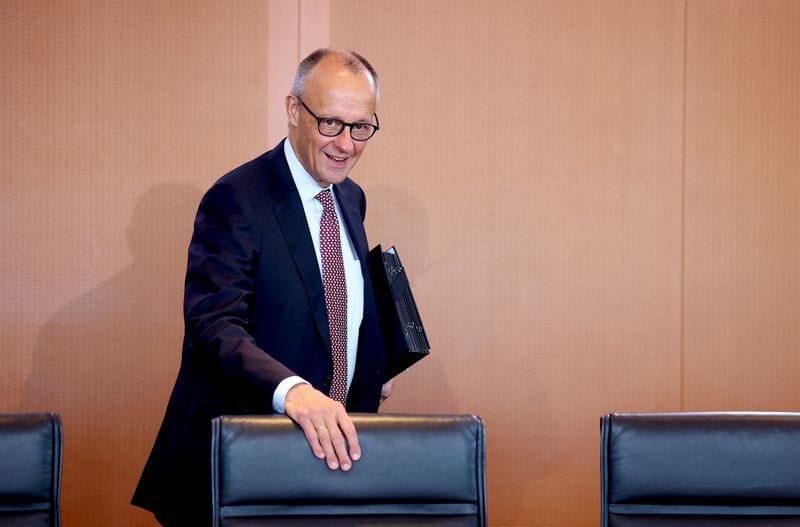
Key facts
- Chancellor Friedrich Merz's coalition suffered significant losses in recent German state elections.
- The election results were influenced by voter concerns over squeezed living standards and rising inflation.
- Merz had pledged reforms to tax, pensions, and health systems.
- The SPD is pushing for changes to proposed reforms, particularly regarding early retirement rules.
- The far-right Alternative for Germany (AfD) party shows nearly 30% support nationally.
- Merz previously announced a €2.5 billion tax cut and fuel price cap.
Chancellor Friedrich Merz's reform agenda faces potential dilution following significant losses for his conservative party and its center-left coalition partners in recent state elections in eastern Germany and Berlin. Despite surviving the electoral shock, the results have increased pressure within the coalition to reflect voter concerns over economic issues, including inflation and living standards.
Merz had pledged to push through a raft of reforms to the tax, pensions, and health systems, but the Social Democrats (SPD), also heavy losers, are demanding changes. An SPD strategy document called for a "German 'New Deal'" and indicated new policy proposals would be issued at a party meeting in December. Specific pressure points include proposed changes to early retirement rules, which many in eastern Germany feel would disproportionately affect them.
Surveys following the elections in Saxony-Anhalt and Mecklenburg-Western Pomerania showed voters feared for their economic security and mistrusted Merz, whose approval ratings have fallen to historic lows. Manuela Schwesig, the SPD state premier in Mecklenburg-Western Pomerania, expressed doubt about Merz's ability to regain voter trust.
Merz himself acknowledged that voters did not perceive the reform plans as "fair." However, warnings have been issued that dismantling agreed-upon reforms could undermine confidence in German policy planning. Martin Jacob, a professor at IESE Business School, stressed the need for policy certainty for investors and companies. Opinion polls showing the far-right Alternative for Germany (AfD) party with nearly 30% support underscore the political landscape Merz faces.
Merz came to power in 2025 with a mandate to revive Germany's economy, which has been impacted by competition from China and the loss of cheap Russian energy. He previously unveiled a €500 billion spending package for infrastructure and defense and approved a reform package in July. However, the current political crisis could jeopardize these reforms, potentially exacerbating economic stagnation, according to Carsten Brzeski, global head of macro at ING.