Key facts
- CDU conservatives topped municipal polls in the German state of Lower Saxony.
- The far-right Alternative for Germany (AfD) made strong gains, climbing to third place.
- The CDU's leader in Lower Saxony, Sebastian Lechner, called for political change in Berlin, citing high energy and housing costs.
- The CDU won the mayoral vote in Wolfsburg, home to Volkswagen.
- The CDU failed to win enough votes in Salzgitter for an outright mayoral victory, necessitating a run-off with the AfD.
- Merz faces tougher tests in upcoming state elections in Mecklenburg-Western Pomerania and Berlin.
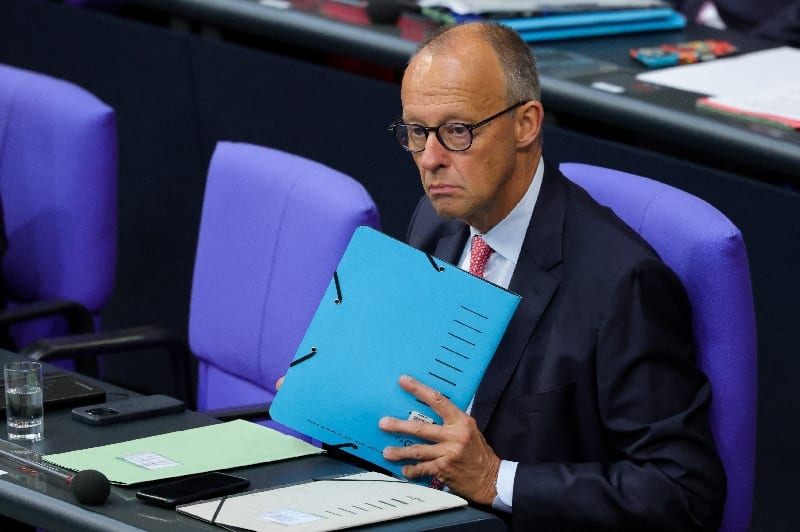
Germany's Chancellor Friedrich Merz received a reprieve on Monday following municipal election results in the state of Lower Saxony, where his CDU conservatives secured first place. The provisional results showed the CDU winning 27.2% of the vote, with their coalition partner, the Social Democrats, receiving 24.6%. The far-right Alternative for Germany (AfD) also saw a significant increase, capturing 15.9% of the vote, an 11.3-point jump from its 2021 performance.
This outcome offers some comfort to Merz, who faced a significant setback a week prior when his party was outperformed by the AfD in state elections in eastern Germany. Those results raised questions about his political future and the efficacy of his reform agenda.
Sebastian Lechner, the CDU leader in Lower Saxony, welcomed the result but emphasized the need for change in Berlin, citing high energy and housing costs as sources of public dissatisfaction. The CDU secured the mayoral vote in Wolfsburg, the headquarters of Volkswagen, a major employer in the state. However, in the industrial city of Salzgitter, the CDU did not win enough votes to avoid a mayoral run-off against the AfD.
Merz is expected to face more challenging electoral tests in upcoming state elections in Mecklenburg-Western Pomerania, where the AfD is projected to lead, and in Berlin, where the far-left Die Linke could emerge victorious. Merz's personal approval ratings have fallen to record lows, with voters expressing discontent over the cost of living, pensions, and economic insecurity. A recent INSA poll indicated that 78% of Germans do not believe Merz should remain chancellor, with 58% of CDU voters also expressing this view. Additionally, 46% of respondents felt that the established policy of mainstream parties refusing political accommodation with the AfD, known as the "firewall" strategy, was no longer effective.