Germany seeks closer ties with Hungary after Orban ouster
IN SHORT
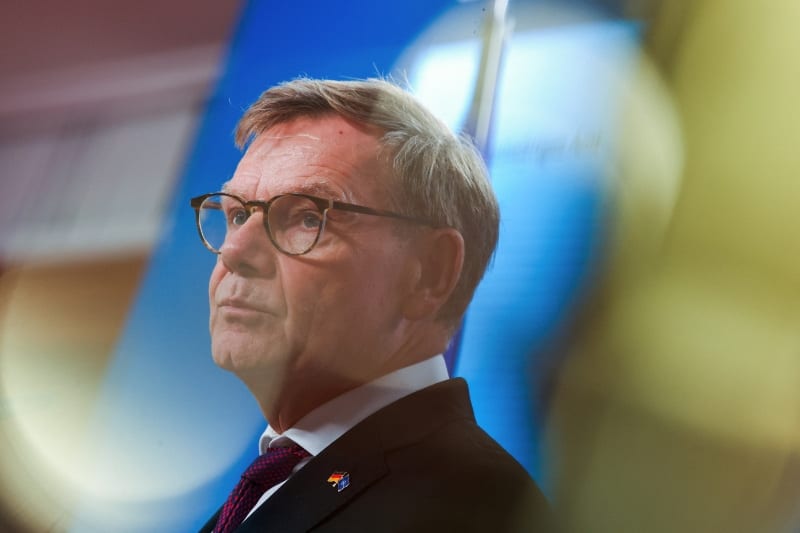
Germany's foreign minister visited Budapest, signaling a desire to rapidly restore relations following Viktor Orban's ouster and the rise of Prime Minister Peter Magyar. The visit aims to rebuild trust and reliability between the two nations, with economic cooperation and youth exchanges highlighted as key priorities.
Key Numbers
7years since last German foreign minister visit to Budapest
2Hungary's rank as a trading partner among German federal states
Who's Involved
Johann Wadephul
German Foreign Minister who visited Budapest
Peter Magyar
Hungarian Prime Minister who took office this year
Anita Orbán
Hungarian Foreign Minister who welcomed Thomas Strobl
Thomas Strobl
President of Germany's Baden-Württemberg state parliament
Viktor Orban
Former Hungarian Prime Minister ousted after 16 years
↳ Why This Matters
The shift in Hungarian leadership following Viktor Orban's ouster presents an opportunity for Germany and the EU to reset relations, potentially unblocking key policy decisions and fostering renewed economic cooperation.