Key facts
- Migrants in eastern Germany report increased anti-immigrant abuse amid the rise of the far-right AfD party.
- The AfD party advocates for restricting immigration and discusses 'remigration' or sending foreigners back to their home countries.
- Some migrants in Rostock and Schwerin are considering leaving if the social climate continues to worsen.
- The AfD began as a eurosceptic party in 2013 and its anti-immigrant stance intensified after the 2015 refugee influx.
- Around 50,000 people with a migration background work in Mecklenburg-Western Pomerania, a region facing a need for skilled workers.
- Syrian nationals in Germany have an unemployment rate above 30%, but employment increases with longer residency.
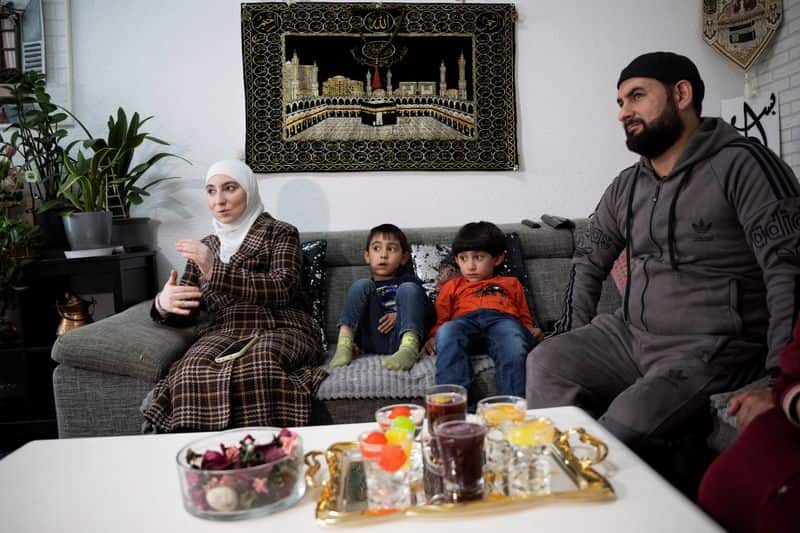
Migrants in eastern Germany are increasingly questioning their sense of belonging as the far-right Alternative for Germany (AfD) party gains traction, fueling concerns about growing hostility towards foreigners. Shahd Najeeb and her husband Mahmoud Hmouech, who fled Syria over a decade ago and rebuilt their lives in Rostock, are among those who have experienced increased anti-immigrant sentiment.
Najeeb recounted an incident where an elderly man yelled at her in a grocery store, stating 'This country is for Germans.' She described this as a new kind of pain, feeling unjustly treated despite working hard to establish a life in Germany. Her son's innocent question about why she was being insulted highlighted the emotional toll of such encounters.
The AfD, which began as a eurosceptic party, has sharpened its anti-immigrant rhetoric significantly since Germany's 2015 decision to admit around one million migrants and refugees. The party now leads Chancellor Friedrich Merz's conservatives in national polls. Leif-Erik Holm, a leading AfD candidate, stated he has no objection to skilled immigration but believes those without a legal right to stay should be deported.
Critics, however, argue that the AfD's rhetoric creates a hostile atmosphere for all foreigners. Social Democrat state premier Manuela Schwesig criticized the AfD for causing widespread fear with its statements on 'remigration' and workers from diverse cultural backgrounds, expressing concern for those who contribute to society through work and taxes.
The situation carries economic implications, particularly for eastern states like Mecklenburg-Western Pomerania, which face low birth rates and aging populations and require skilled workers. Around 50,000 individuals with a migration background are employed in the state. While Syrian nationals in Germany have a higher unemployment rate, data indicates that employment prospects improve significantly with longer residency.