Key facts
- Italy will cap foreign pupils at 30% of primary school classes from the 2027-28 school year.
- Face coverings will be banned in schools, with fines up to €1,000 ($1,137) for violations.
- Parents of children who do not speak Italian will be required to attend language courses.
- The measures are seen as a response to the growing appeal of the far-right National Future party.
- Around 900,000 foreign students, or 11.6% of the total, attend Italian schools.
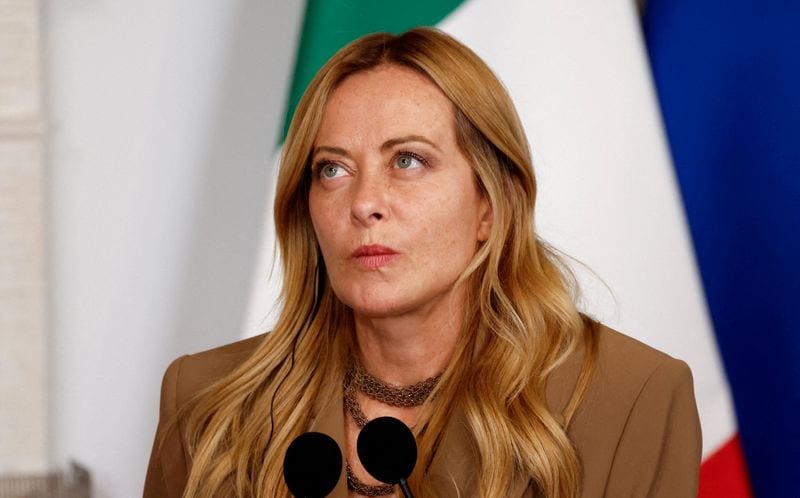
Italy's right-wing government, led by Prime Minister Giorgia Meloni, has passed new regulations aimed at limiting the number of foreign pupils in schools and banning face coverings. These measures, approved on Thursday and set to take effect from the 2027-28 school year, come as Meloni's coalition faces challenges from the rising popularity of the far-right National Future party, founded by former army general Roberto Vannacci.
The new rules will impose a 30% cap on non-Italian pupils in primary school classrooms, including those who have not attended nursery school in Italy for at least two years. Additionally, fines of up to €1,000 ($1,137) will be levied against individuals wearing face coverings on school premises, which ruling coalition members have described as symbols of Islamist oppression and disrespect towards women.
Meloni stated on X that the measures are common-sense initiatives designed to foster integration. She had previously unveiled the plans at a rally, where she also announced that parents of children not speaking Italian would be required to attend language courses. These moves are viewed as part of a broader strategy to bolster support for her coalition ahead of the 2027 elections.
However, school principals have expressed concerns about the enforceability of the 30% cap, particularly in areas with large immigrant populations. The draft decree suggests that education authorities would need to redistribute pupils if demand exceeds the cap, but practical implementation details are unclear. President Sergio Mattarella has reportedly flagged wariness regarding potential barriers to education.
According to the ISMU Foundation, approximately 900,000 foreign students, representing 11.6% of the total student population, attend Italian schools. About 43% of these students are from other European countries, and 32% are from African backgrounds. Opposition politicians, including Elly Schlein, leader of the Democratic Party, have criticized the decree as a "shameful" ideological maneuver that distracts from the real problems facing the public school system.