Key facts
- Austria's Constitutional Court will rule on a ban of Muslim headscarves for under-14s in schools in the first half of next year.
- The ban took effect on September 1 and was passed by the ruling coalition with support from the far-right Freedom Party.
- Appeals against the ban argue it violates freedom of religion and equality before the law.
- A similar ban for under-10s was struck down by the court in 2020.
- Fines of €150 to €800 ($172 to $918) can be imposed for non-compliance.
- Around 80 cases of non-compliance have been reported nationwide.
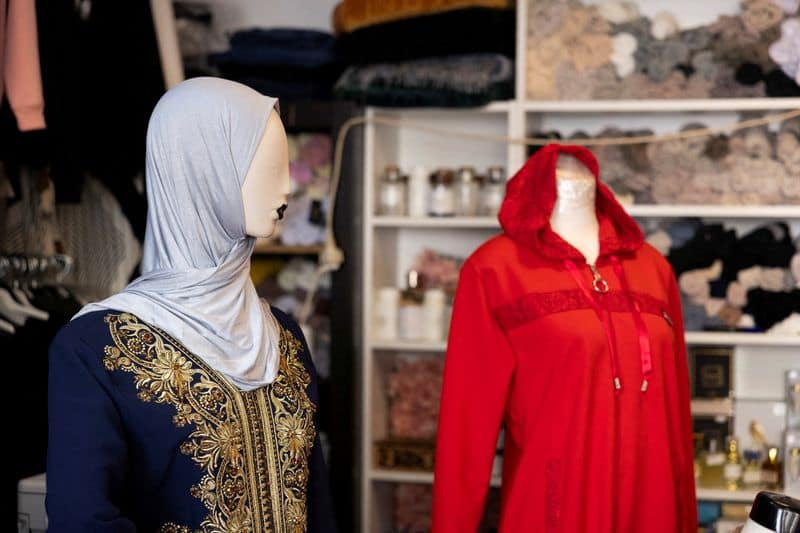
Austria's Constitutional Court is expected to deliver a ruling on a ban targeting Muslim headscarves for children under the age of 14 in schools during the first half of next year. The legislation, which became effective on September 1, was enacted by Austria's ruling coalition with backing from the far-right Freedom Party. However, its survival is uncertain as legal challenges have been mounted by parents and pupils who contend the ban infringes upon their religious freedoms and the principle of legal equality.
The court previously invalidated a comparable ban for younger children in 2020, deeming it discriminatory towards Muslims and contrary to the state's obligation of religious neutrality. The current law mandates discussions with any student who defies the headscarf prohibition, with the possibility of imposing fines ranging from €150 to €800 ($172 to $918). Rights organizations, left-wing groups, and the official representative body for Austria's Muslims have voiced opposition to the ban. Education Minister Christoph Wiederkehr stated that approximately 80 instances of non-compliance have been recorded nationwide, a figure he described as lower than anticipated.