Key facts
- Italy is considering nuclear power for the first time in nearly four decades.
- The Italian Senate approved a government plan to restart nuclear power generation.
- Italy's last nuclear reactor shut down in 1990, following a 1987 referendum.
- The government plans to deploy advanced modular reactors (SMRs).
- Italian electricity rates have increased about 80% in the past year.
- Natural gas and petroleum account for roughly 80% of Italy's total energy supply.
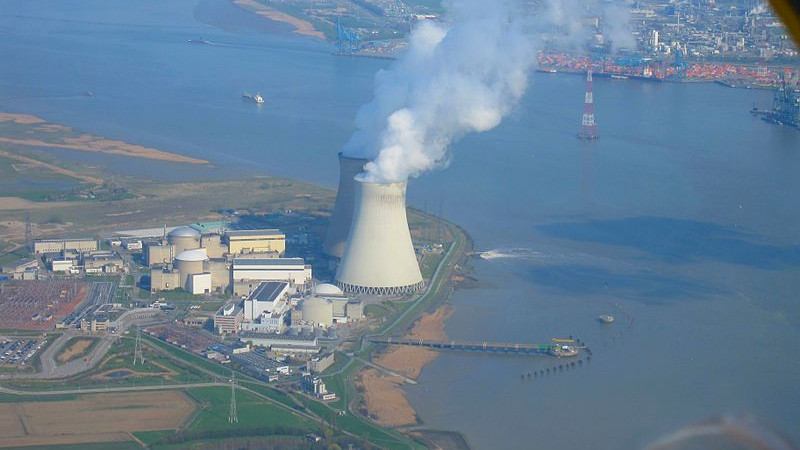
Italy is moving to re-establish nuclear power generation, with the Senate giving final approval to a government plan that could see new reactors deployed within the next decade. This marks a significant shift after a 1987 referendum, prompted by the Chernobyl disaster, led to the closure of the country's four existing nuclear plants, with the last shutting down in 1990. A subsequent referendum in 2011, following the Fukushima accident, saw over 90% of Italians oppose nuclear power.
The government argues that advancements in technology and safety, particularly with small modular reactors (SMRs), make nuclear power a viable option for decarbonizing industry and enhancing energy security. This reconsideration comes amid volatile global energy markets, exacerbated by conflicts in Ukraine and the Middle East, which have disrupted supply chains and driven up energy import costs for Italy. Italian electricity rates have surged approximately 80% in the past year, fueling public discontent.
Currently, Italy relies heavily on fossil fuels, with natural gas and petroleum accounting for about 80% of its energy supply, while renewables make up the remaining 20%. Electricity demand is projected to increase due to global electrification trends and the growing need for power for data centers supporting AI development. Over 90% of Italy's total energy needs are imported, including electricity from neighboring France.
Despite the government's push, public opinion remains divided, with a June poll indicating 51% support for restarting nuclear power, though a majority opposed locating plants near their homes. A significant hurdle is the lack of a permanent national repository for radioactive waste from the previous nuclear program, with waste currently stored at temporary sites. Italy's focus is on SMRs and advanced technologies, seen as potentially safer and quicker to build than traditional large reactors.
Italy's move aligns with a broader European trend of investing in nuclear energy to achieve energy independence and meet climate targets. Countries like France, Hungary, Slovakia, the Czech Republic, Poland, the Netherlands, and Sweden are all expanding or planning new nuclear capacity.