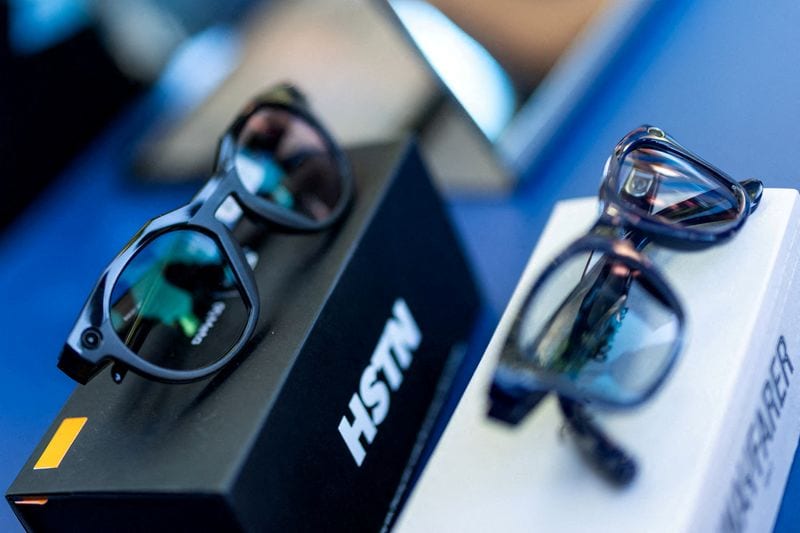
Meta Platforms is anticipated to introduce new smart glasses at its annual Connect conference on Wednesday, with a notable addition being a model without a camera. This development arrives amidst escalating privacy concerns surrounding AI-powered devices that can record individuals without their knowledge or consent.
The social media giant has established itself as a frontrunner in the burgeoning market for AI consumer devices. Its smart glasses, developed in partnership with EssilorLuxottica, have seen significant sales, exceeding 7 million units last year, granting Meta a substantial market share against competitors like RayNeo and Xiaomi.
However, the increasing popularity of these devices has triggered global apprehension regarding their covert recording capabilities. This has led to usage restrictions in several UK restaurants, pubs, and theaters. Furthermore, the glasses have been the subject of legal challenges, including a proposed class action lawsuit in California. The suit alleges that Meta deceived users about privacy safeguards and that human annotators reviewing footage for AI training inadvertently accessed and labeled private moments, such as individuals changing clothes, after the recordings were uploaded to Meta's servers.
Meta disputes these claims and intends to defend itself. According to The Information, the company plans to release the camera-less glasses in two styles: Clubmaster and Burbank. Analysts also anticipate the launch of an updated version of Meta's Ray-Ban glasses, which include cameras, and a more slender augmented-reality pair reportedly codenamed Phoenix.
This potential launch of the Phoenix glasses follows Snap's recent announcement of new collaborations and software details for its $2,195 augmented-reality Specs, scheduled for release later this year.
Some analysts express skepticism that removing cameras will fully address privacy concerns, as devices can still capture audio. They also question whether removing cameras will impact demand, given that photo and video capture is a popular feature. Linda Sui, founder of Smart Analytics Global, noted that while microphones and audio collection might raise similar, albeit lesser, concerns, removing cameras from glasses without a heads-up display presents a product differentiation challenge. Consumers might question the need for smart glasses over Bluetooth earbuds if the primary interaction is voice-based.