Key facts
- Latvian President Edgars Rinkēvičs described the coming weeks as an "alarming" period due to rising Russian threats.
- Latvia is preparing for cyberattacks, information campaigns, and potential disruptions around its Oct. 3 parliamentary elections.
- Rinkēvičs stated there are no facts to support speculation of an imminent conventional attack against Baltic states or other NATO countries.
- He warned that information campaigns aimed at creating uncertainty about NATO's response serve Russia's interests.
- Rinkēvičs expressed doubt that Russia is interested in a peace deal at this time.
- New U.S. sanctions legislation signed by President Trump on Sept. 18 could push EU countries to end remaining purchases of Russian oil and gas.
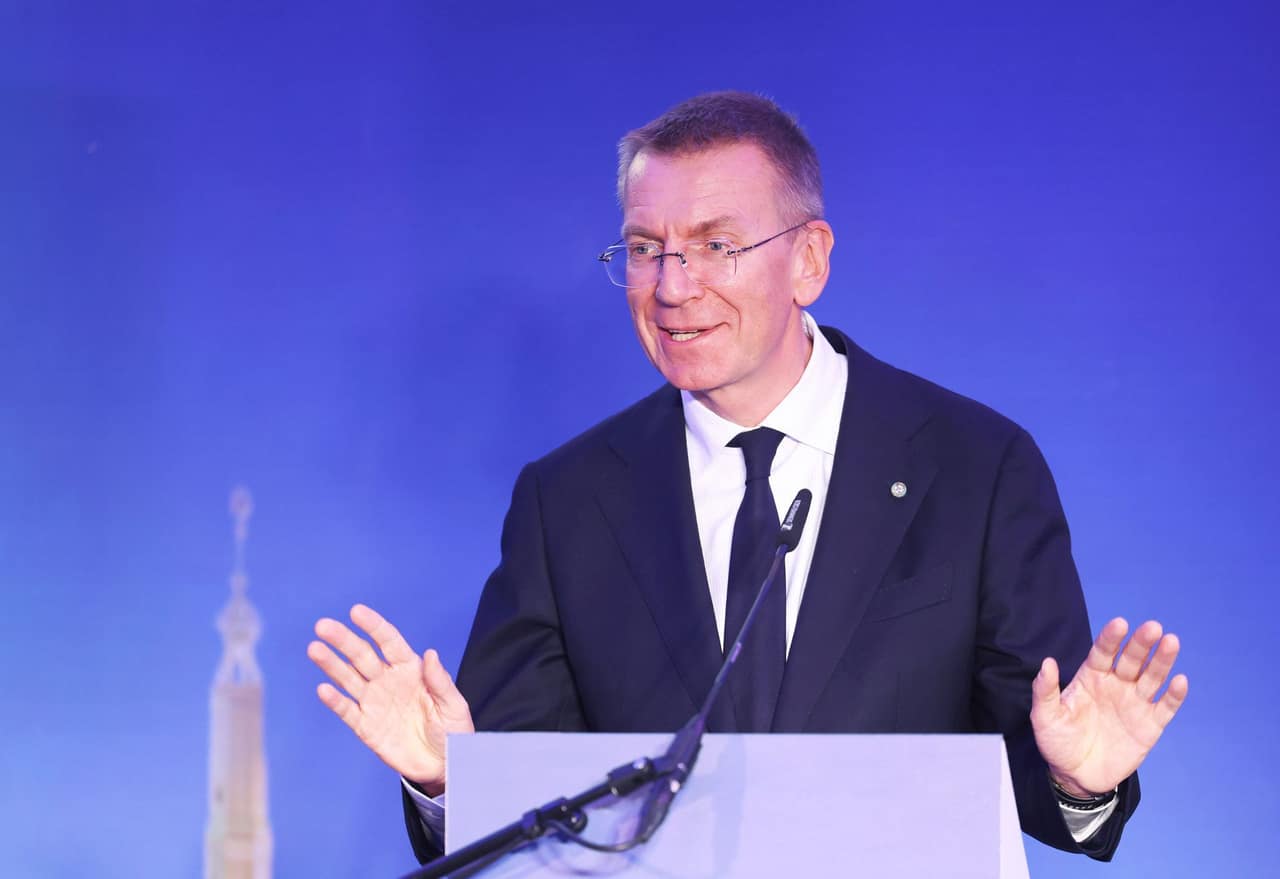
Latvian President Edgars Rinkēvičs has described the coming weeks as an "alarming" period, despite seeing no signs of an imminent conventional attack by Russia against the Baltic states or other NATO countries. In an interview with the Kyiv Independent, Rinkēvičs stated that Latvia is preparing for potential cyberattacks, information campaigns, and disruptions around its parliamentary elections scheduled for October 3.
NATO officials have also raised concerns about increased Russian hybrid threats, including drone incursions and airspace violations, prompting regional countries to bolster their air defenses. Rinkēvičs emphasized that while expert speculation about a conventional attack exists, his government lacks factual evidence to support such claims. However, he warned that the absence of an immediate conventional threat should not overshadow the growing pressure Russia is exerting on countries supporting Ukraine, citing sabotage and subversive activities targeting defense companies and NGOs aiding Ukraine.
Rinkēvičs highlighted that Russian information campaigns designed to sow uncertainty about NATO's resolve are beneficial to Moscow. He assured that NATO troops stationed on the alliance's eastern flank are prepared for a swift response in the event of any incursion. Regarding peace prospects between Russia and Ukraine, Rinkēvičs expressed skepticism, believing Moscow is not currently interested in a peace deal and still hopes to achieve victory. He welcomed U.S. efforts to pursue peace but stressed that Moscow's willingness to engage seriously is the critical factor.
Latvia, along with other U.S. allies, was briefed on CIA Director John Ratcliffe's August 25 trip to Moscow, though details were not disclosed by Rinkēvičs, who deferred to U.S. statements. The Latvian President also commented on new U.S. sanctions legislation, signed by President Donald Trump on September 18, suggesting it could compel European countries to cease their remaining purchases of Russian oil and gas. Rinkēvičs lauded the legislation, noting Latvia's own efforts since February 2022 to phase out Russian energy imports and urging other EU states to do the same. He further advised European companies against doing business in Russia, warning of increasing risks following Moscow's seizure of Western assets.