Key facts
- EU foreign ministers are in disagreement over renewing sanctions against Russia.
- Latvia is blocking the proposed extension of sanctions.
- France and Slovakia have advocated for the delisting of Russian oligarchs Alisher Usmanov and Mikhail Fridman.
- Individual sanctions require unanimous approval from all 27 EU member states.
- Existing sanctions are set to expire on September 22.
- Latvia's stance is that EU sanctions against Russia must be strengthened, not weakened.
European Union foreign ministers failed to reach an agreement on renewing sanctions against Russia on September 21, with disagreements over delisting certain individuals threatening to let the measures expire. The bloc is aiming to extend sanctions on nearly 3,000 Russia-linked individuals and entities, but negotiations are ongoing just hours before the current measures are due to lapse on September 22.
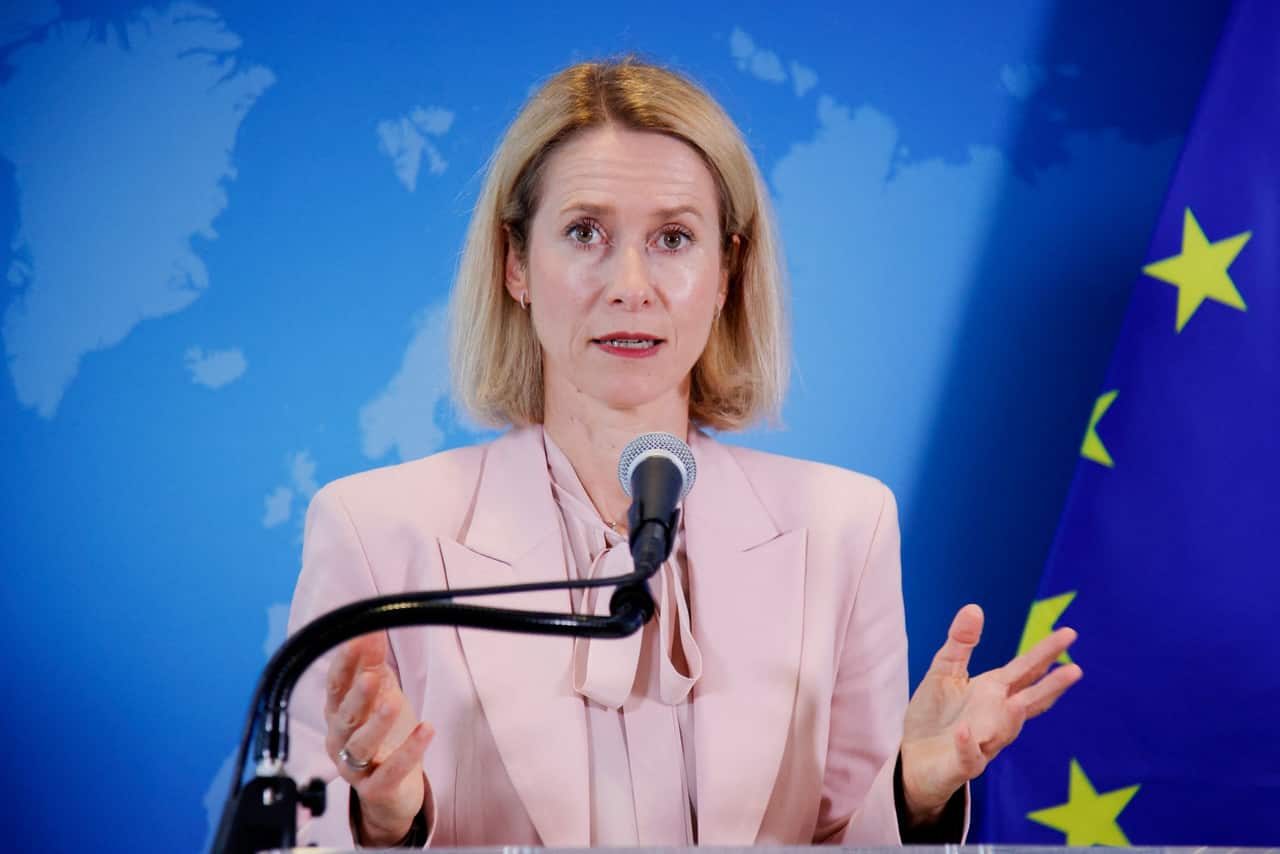
Chief EU diplomat Kaja Kallas urged member states to maintain economic pressure on Russia, stating that sanctions are a core pillar of the EU's response to the war. She expressed confidence that the disagreements would be resolved and that the sanctions would be rolled over swiftly, with potential for a new sanctions package targeting Russia's military-industrial complex.
The impasse arose after France and Slovakia proposed removing sanctions on Russian oligarchs Alisher Usmanov and Mikhail Fridman, and extending economic restrictions by 36 months. Latvia, however, blocked the proposed one-year extension, with Foreign Minister Baiba Braze stating that sanctions must be strengthened, not weakened. Ukrainian Foreign Minister Andrii Sybiha publicly thanked Latvia for its principled stance.
Individual sanctions, which include asset freezes and travel bans, require the unanimous approval of all 27 EU members. A temporary seven-day extension adopted last week keeps the existing measures in force until September 22. The dispute does not affect the EU's separate sectoral sanctions against the Russian economy.