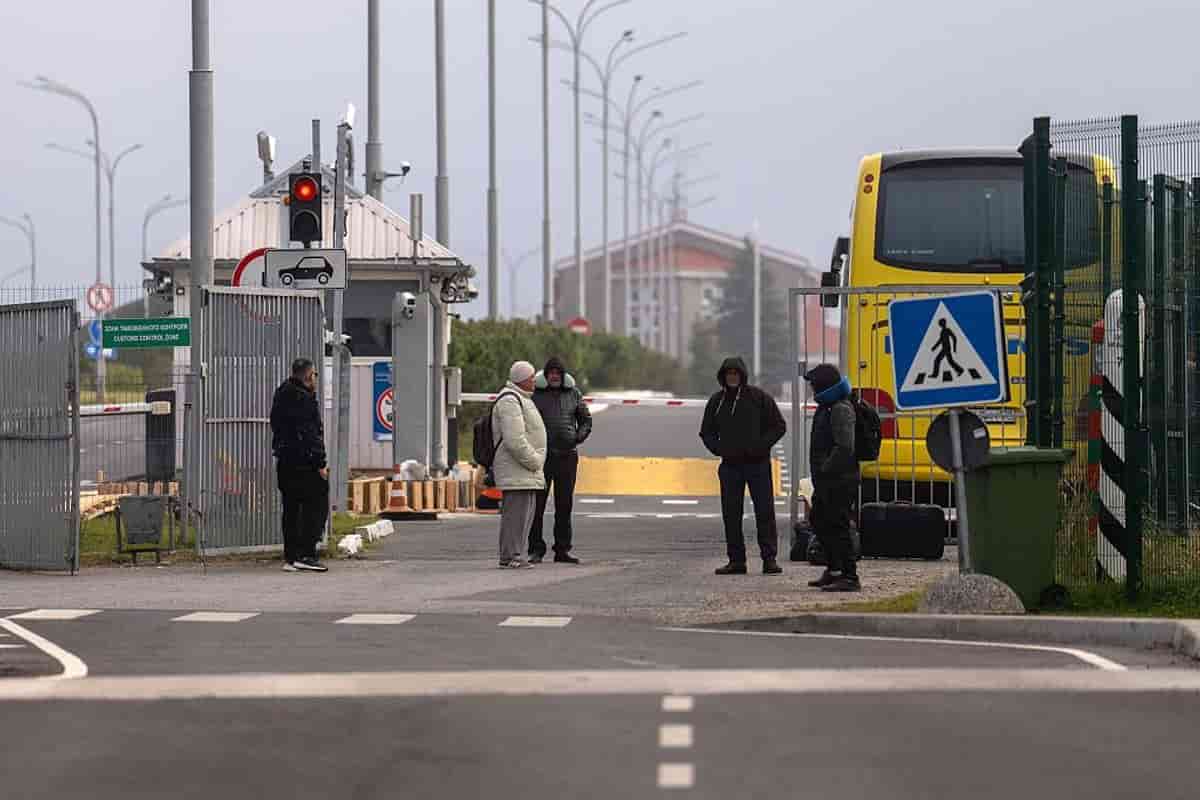
Russia restricts movement near Estonian border amid mobilization fears
1 source↑ Market-relevant
IN SHORT
Russia has imposed temporary restrictions in two districts bordering Estonia, limiting nighttime movement, access to parts of the Narva River, hunting, and the carrying of firearms. The measures, enacted by the FSB from Sept. 16 to Sept. 26, are intended to bolster border security but coincide with growing concerns about a potential new wave of Russian mobilization.
Key Numbers
2districts bordering Estonia affected by restrictions
September 16 to September 26period of restrictions
Who's Involved
Russia
imposed temporary restrictions near Estonian border
Federal Security Service (FSB)
introduced border restrictions in Leningrad Oblast
Estonia
monitoring border situation with Russia
Finland
kept its entire land border with Russia closed since December 2023
↳ Why This Matters
The restrictions raise concerns about potential escalation and increased border activity, particularly if linked to a new Russian mobilization, which could impact regional security and migration flows.
Key facts
Russia has imposed temporary restrictions in the Kingisepp and Slantsy districts of Leningrad Oblast.
The restrictions, enacted by the FSB, are in force from Sept. 16 to Sept. 26.
Measures include limiting nighttime movement, access to parts of the Narva River, hunting, and carrying firearms in the border zone.
Russia states the measures aim to strengthen border security and prevent migration rule violations.
Estonian authorities are monitoring the situation and do not see an immediate threat.
Russia has implemented temporary restrictions in two districts adjacent to Estonia, affecting nighttime movement, access to sections of the Narva River, hunting activities, and the carrying of firearms within the border zone. These measures, enacted by Russia's Federal Security Service (FSB), are in effect from September 16 to September 26 in the Kingisepp and Slantsy districts of Leningrad Oblast.
The move occurs amid heightened security concerns in the Baltic region, with NATO officials expressing worries about Russian drone incursions, airspace violations, sabotage, and other hybrid threats. Regional countries have been bolstering their air defenses in response.
Russia asserts that the restrictions are intended to enhance border security and prevent breaches of border and migration regulations. The timing of these measures also coincides with discussions about a potential new wave of mobilization in Russia following the September 18-20 parliamentary elections. Such a mobilization could lead more Russian men to attempt to leave the country via remaining land routes, including the border with Estonia.
Estonian authorities stated they are closely observing the situation and have not identified any immediate threat to the country, though they acknowledge the possibility that the restrictions are linked to a new mobilization effort in Russia. Meanwhile, Finland has maintained the closure of its entire land border with Russia since December 2023 and has proposed extending its Border Security Act until the end of 2028 due to ongoing risks. In September, Russia also conducted drone strikes near Poland's and Moldova's borders with Ukraine, and in August, Lithuania reported intelligence suggesting Russia might use Ukrainian-made drones for false flag attacks on critical infrastructure in the Baltic region.
Frequently asked questions
The restrictions are in place in the Kingisepp and Slantsy districts of Leningrad Oblast, which border Estonia.
The restrictions limit nighttime movement, access to parts of the Narva River, hunting, and the carrying of firearms in the border zone.
Russia's Federal Security Service (FSB) states the measures are aimed at strengthening border security and preventing violations of border and migration rules.
What Happens Next
01The restrictions are in force until September 26.
✉Newsletter
PiQ Daily
Pick the topics you care about. Get only what matters, on your cadence.
How It Developed
Russia imposed temporary restrictions in two districts bordering Estonia, limiting nighttime movement, access to parts of the Narva River, hunting, and the carrying of firearms.