Key facts
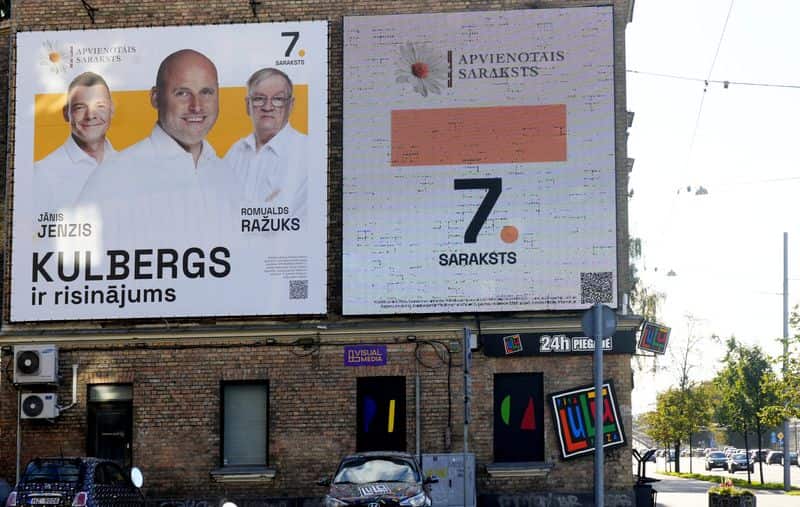
- Latvia's Prime Minister Andris Kulbergs is likely to retain power after Saturday's national election.
- Kulbergs' United List party leads polls with 14.4% of the vote.
- The pro-Russian Sovereign Power party is polling second with 9.4%.
- The populist Latvia First party is running third in opinion polls.
- Ethnic Russians form about half of the population in Daugavpils, Latvia's second-largest city.
Latvia's Prime Minister Andris Kulbergs is expected to win Saturday's national election, largely due to his unwavering support for Ukraine and concerns over potential Russian aggression. Kulbergs, who came to power in May after a previous coalition collapsed due to drone incidents, has pledged to bolster Latvia's anti-drone capabilities.
However, forming a stable government is likely to be difficult, as seven parties are expected to win seats in parliament and polls show Kulbergs' United List party leading with only 14.4% of the vote. The war in Ukraine has divided Latvian society, with a significant portion of the population not perceiving Russia as a threat and questioning defense spending.
The pro-Russian Sovereign Power party, drawing support from the country's substantial Russian-speaking minority, is polling second with 9.4% and advocates for peace and an end to aid for Ukraine. The populist Latvia First party, with ties to Russian oligarchs, is in third place and seeks to bridge ethnic divides.
Pollsters note that if Latvia's Russian-speaking voters, who largely abstained in the 2022 election, turn out in force, pro-Russian parties could perform strongly. Many Latvians are reportedly disenchanted with divisive politics, with a third of voters undecided or unwilling to vote.
In Daugavpils, a city with a large Russian-speaking population, local sentiment reflects a desire for pragmatic relations with Russia and a focus on domestic economic issues. Some residents hope for policies that support the Russian language and reduce aid to Ukraine in favor of domestic welfare.