Latvian prime minister likely to win election amid rising Russia concerns
IN SHORT
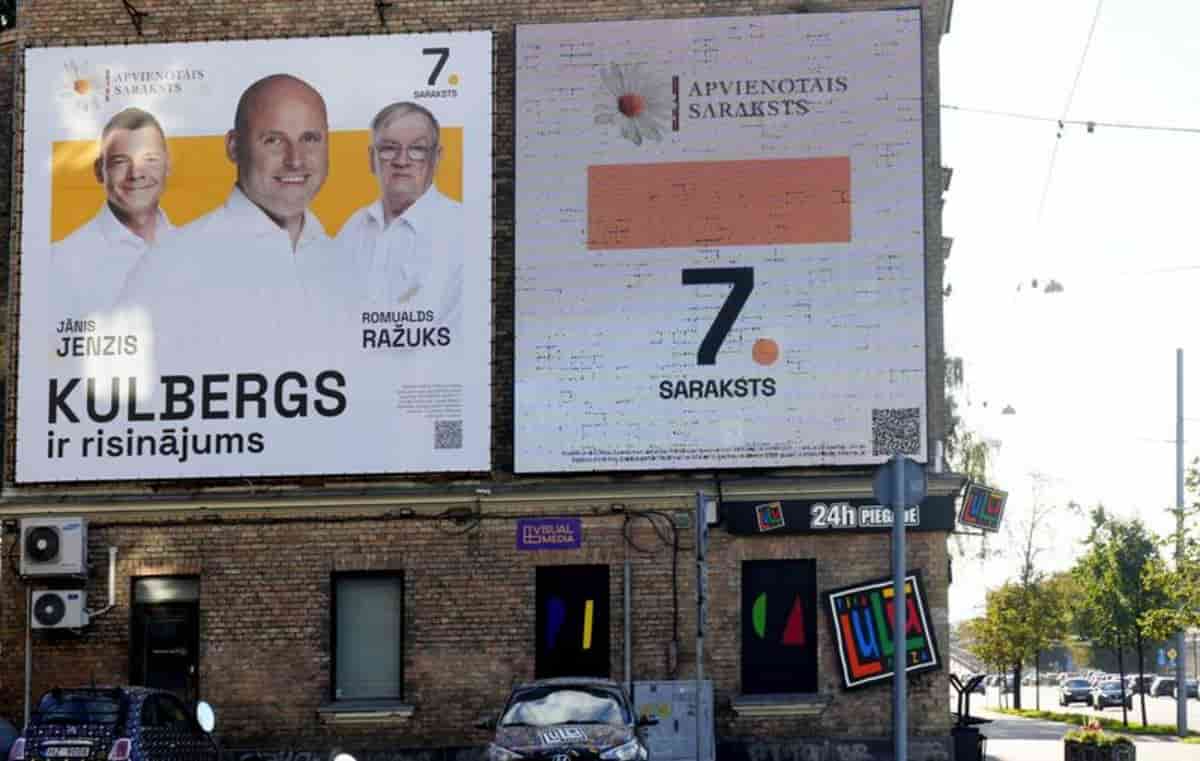
Latvian Prime Minister Andris Kulbergs is poised to retain power following Saturday's national election, with voters increasingly wary of potential Russian aggression. Kulbergs' pro-Ukraine stance and promises of enhanced anti-drone capabilities are central to his campaign, while opposition parties focus on peace and bridging ethnic divides.
Key Numbers
14.4%United List party's lead in opinion polls
9.4%Sovereign Power party's support in opinion polls
1.9 millionLatvia's population
Who's Involved
Andris Kulbergs
Latvian Prime Minister likely to retain power after Saturday's election
Julia Stepanenko
Leader of pro-Russian Sovereign Power party
Arnis Kaktins
Pollster commenting on Russian-speaking voters
Inna Plavoka
Local journalist commenting on appeal of pro-Russian parties
↳ Why This Matters
The election outcome in Latvia, a frontline NATO state, will shape the country's stance on supporting Ukraine and its approach to regional security amid heightened tensions with Russia. The potential for a pro-Russian shift in policy could impact European solidarity and defense strategies.