Key facts
- Kyiv has faced near-constant Russian drone attacks over the past week.
- Newer, jet-powered drones are being used in the attacks.
- Drone speeds can reach up to 600 kilometers per hour.
Kyiv has experienced a week of near-constant Russian drone attacks, with newer, faster jet-powered drones increasing the intensity of strikes. The city faces continuous air raid alerts, with residents reporting a significant hit to morale amid the relentless barrage.
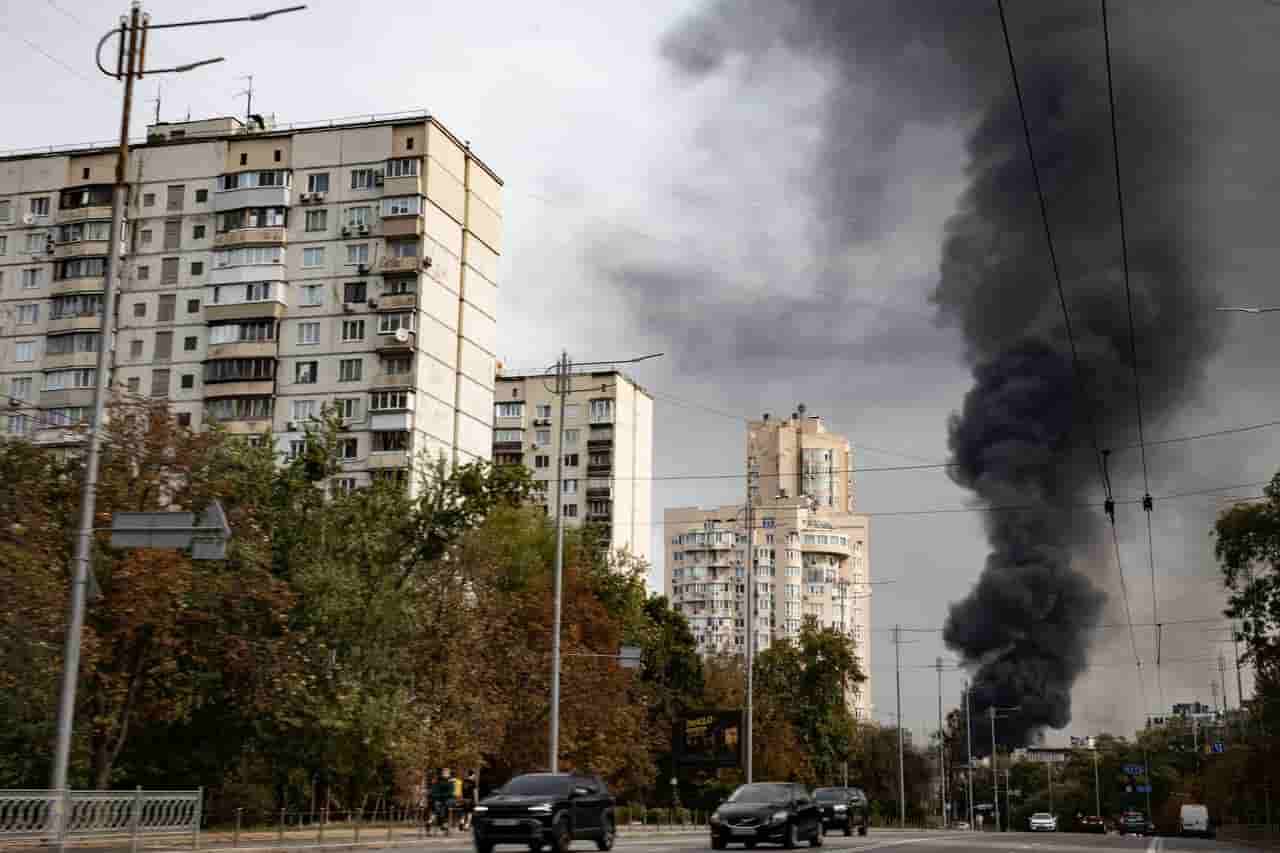
The sustained and intensified drone attacks on Kyiv highlight the ongoing military pressure on Ukraine's capital, impacting civilian life, infrastructure, and morale. Disruptions to energy and internet services could have broader consequences for Ukraine's operational capacity and public access to information.
Kyiv has been subjected to an intensified barrage of Russian drone attacks over the past week, creating a sense of constant threat for residents. The onslaught, which began last month, has escalated with the use of newer, jet-powered versions of Shahed-type drones capable of speeds up to 600 kilometers per hour. The city has experienced continuous noise from drones and air defense systems, with little time to react to approaching threats.
Residential areas, historic landmarks like the former Zaliznychnyi Market, and critical infrastructure, including data centers, internet hubs, and energy facilities, have been targeted. On September 30, the city recorded one of its longest air raid alerts, lasting over 12 hours, following overnight ballistic missile attacks. Earlier in the week, strikes hit the Ukrainian National Academy of Sciences and a medical center.
Residents report a significant impact on morale due to the relentless nature of the attacks. The constant threat and uncertainty about where the next strike might land have made it difficult for people to feel safe, even as they prepare for colder weather.
Pick the topics you care about. Get only what matters, on your cadence.