Key facts
- Russia plans parachute drop tests for its new manned transport spacecraft this fall.
- The spacecraft is referred to as PTK NP by Roscosmos chief executive Dmitry Bakanov.
- The project has been in development for nearly 20 years.
- The spacecraft is intended to supplant the Soyuz spacecraft for low-Earth orbit missions.
- A debut crewed launch is tentatively scheduled for 2028 or 2029.
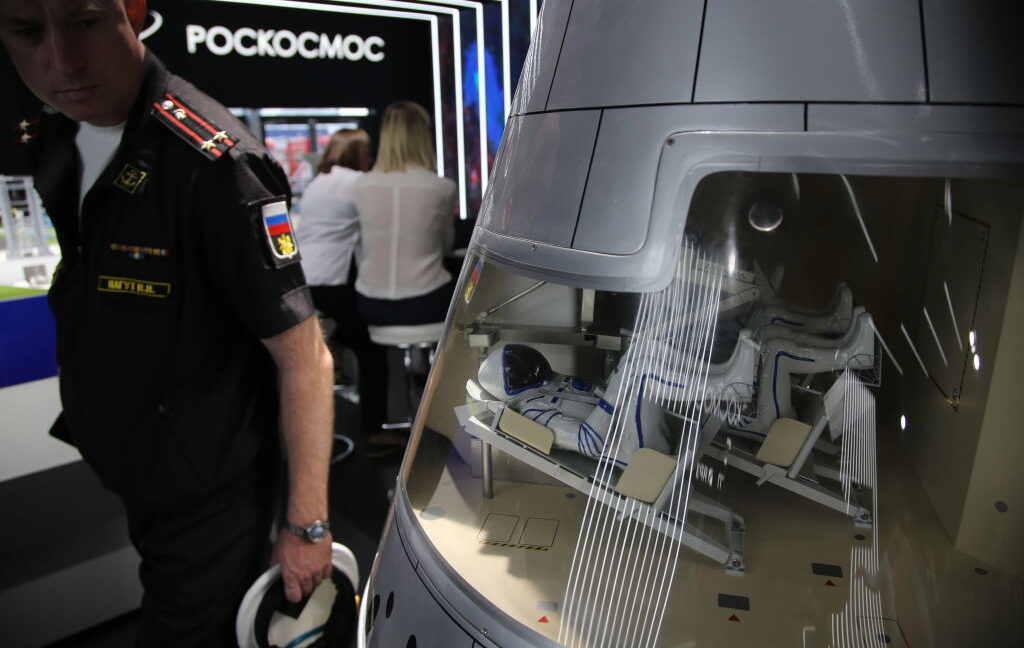
Russia's long-delayed effort to develop a new crewed spacecraft, which has been in the works for nearly two decades, is moving forward with planned parachute drop tests this fall, according to Dmitry Bakanov, the chief executive of Roscosmos. The spacecraft, currently referred to as PTK NP, is intended to eventually replace the aging Soyuz spacecraft for transporting cosmonauts to low-Earth orbit and potentially for missions to the Moon.
The project has undergone numerous name changes and iterations since discussions with the European Space Agency began about 20 years ago. Initially conceived as the Prospective Piloted Transport System (PPTS), it was later designated PTK NP, then named Federatsiya in 2016, and most recently Orel or Oryol (Eagle) under the previous Roscosmos leadership of Dmitry Rogozin. Bakanov appears to have reverted to the PTK NP designation.
Beyond renderings and name changes, concrete progress has been slow. However, Bakanov indicated that parachute drop tests are scheduled for the fall, with further tests in emergency rescue modes planned for later this year. In 2027, the spacecraft is slated to undergo tests simulating maximum dynamic pressures during ascent. While it remains unclear if these tests will involve actual flight hardware, the mention of maximum dynamic pressures suggests a potential launch abort test, a significant step for spaceflight.
Despite past confident pronouncements from Russian President Vladimir Putin regarding the spacecraft and a resumption of Russia's lunar program, these timelines have not materialized. Officials are now targeting a debut crewed launch between 2028 and 2029, likely utilizing the Angara A5M rocket. However, given the project's history, this date should be viewed with caution.