Key facts
- Kazakh oil producers are studying a trans-Caspian export route to bypass Russia.
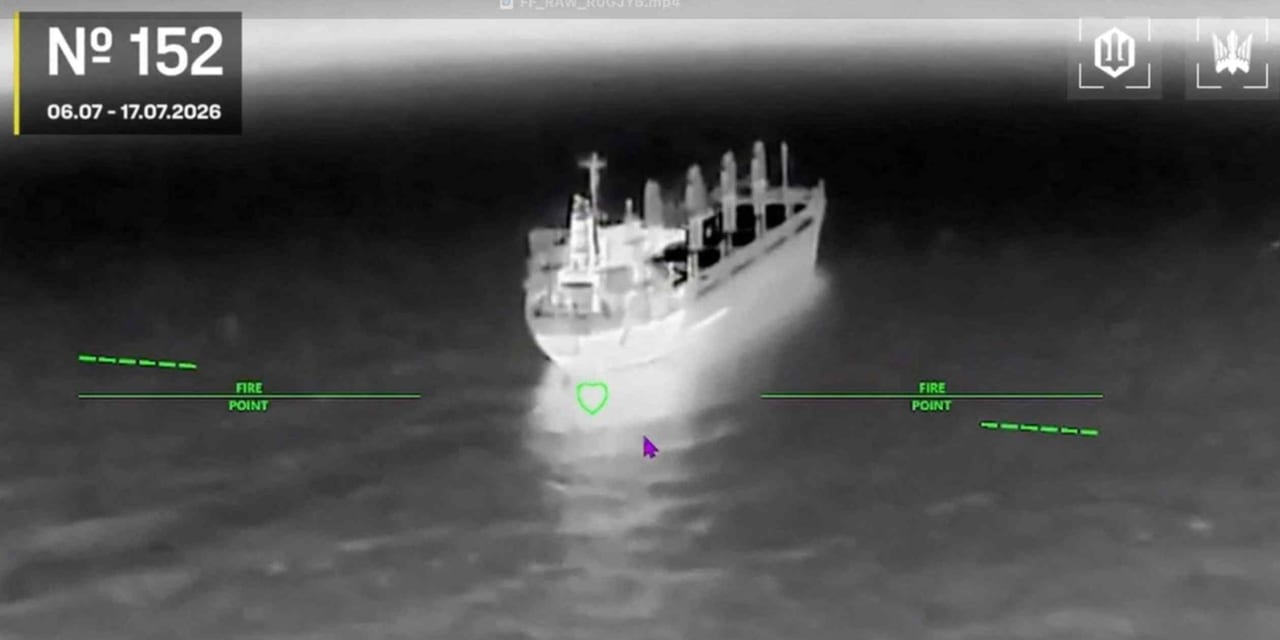
- The move follows repeated Ukrainian drone attacks on a Black Sea terminal and tankers.
- The Caspian Pipeline Consortium (CPC) terminal handles 80% of Kazakh oil exports.
- Damage to the CPC terminal in November 2025 suppressed exports into early 2026.
- Recent July attacks threatened roughly 1.5 million barrels per day of exports.
- Kazakhstan aims to upgrade its oil-export strategy from efficiency to strategic resilience.
Kazakhstan's oil producers are exploring a new trans-Caspian export route to circumvent Russia, a move driven by escalating disruptions to traditional transit channels. The decision comes after repeated Ukrainian drone attacks on a Black Sea terminal and tankers this year, which have highlighted the vulnerability of existing infrastructure.
The Caspian Pipeline Consortium (CPC), which transports the majority of Kazakhstan's oil, has been particularly affected. Damage to its Black Sea terminal in November 2025 led to export suppressions into early 2026, and recent July attacks threatened approximately 1.5 million barrels per day of oil flow. This reliance on a single route, accounting for 80% of Kazakh oil exports, presents a significant concentration risk, especially as production is expected to rise.
Kazakhstan's government, under President Kassym-Jomart Tokayev, has identified diversifying export routes as a priority. This strategic shift aims to move from a focus on rational efficiency to one of strategic resilience, granting Astana greater control over its oil export infrastructure and partnerships. The country is looking to shape its export geography rather than merely accept existing routes.
As part of this strategy, KazMunayGas and Azerbaijan's SOCAR have agreed to transport around 1.5 million barrels of oil via the Trans-Caspian route. This initiative represents a move towards managed interdependence, contrasting with Azerbaijan's earlier choice of the more expensive Baku-Tbilisi-Ceyhan pipeline for strategic autonomy.