Key facts
- Japan plans to host an AI robot competition on the International Space Station.
- The competition is part of the 7th Kibo Robot Programming Challenge (Kibo-RPC).
- Participants will program robots using artificial intelligence to complete tasks.
- The event aims to cultivate future engineers in space exploration, AI, and robotics.
- The competition will use JAXA's Int-Ball 2 robot on the ISS's Kibo module.
- Applications for teams are open until October 14, 2026.
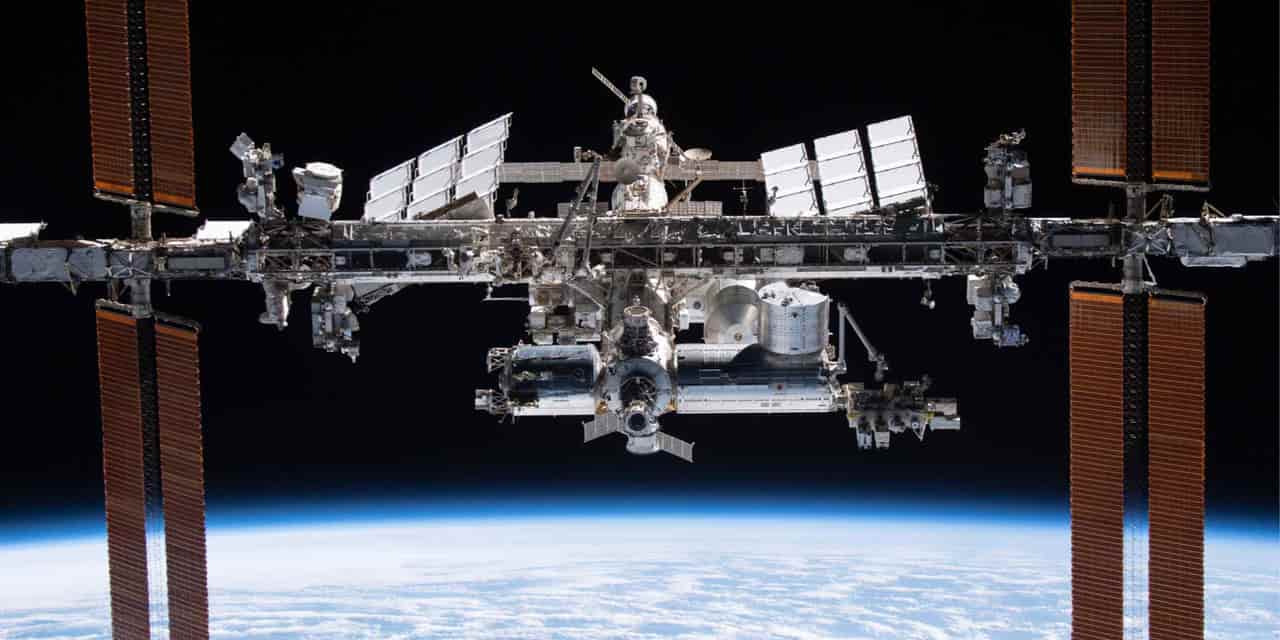
Japan is set to host the 7th Kibo Robot Programming Challenge (Kibo-RPC) on the International Space Station, an initiative aimed at nurturing the next generation of engineers in fields such as space exploration, artificial intelligence, and robotics. The competition, a collaborative effort between the Japan Aerospace Exploration Agency (JAXA) and NASA under the Japan-US Open Platform Partnership Program, invites students up to the graduate level to program robots using AI. Participants will create code to operate JAXA's Int-Ball 2, an autonomous flying robot, within the ISS's Kibo module. The challenge involves navigating simulated environments and responding to scenarios, such as investigating a drop in air pressure. Applications for teams are open until October 14, 2026, with a simulation environment available from October 2026 and preliminary rounds in early 2027. The final round, utilizing the actual Int-Ball 2 on the ISS, is scheduled for April to June 2027. Last year's competition saw a record 3,082 participants from 738 teams across 13 countries and regions.