Key facts
- Major Japanese commercial broadcasters are adopting AI in program production.
- The goal is to improve efficiency and compensate for falling advertising revenue.
- Nippon TV's "Tokyo Miko Ninja" uses generative AI for creature design and virtual production.
- TBS utilized AI for special effects, such as explosions, in the drama "Vivant."
- NTT and TBSTV demonstrated remote GPU resource connection for virtual production over 3,000 km.
Japan's major commercial broadcasters are increasingly incorporating artificial intelligence into their program production workflows, aiming to boost efficiency and mitigate the impact of declining advertising revenue. This adoption spans various applications, from creating special effects to enhancing sports analysis and virtual production environments.
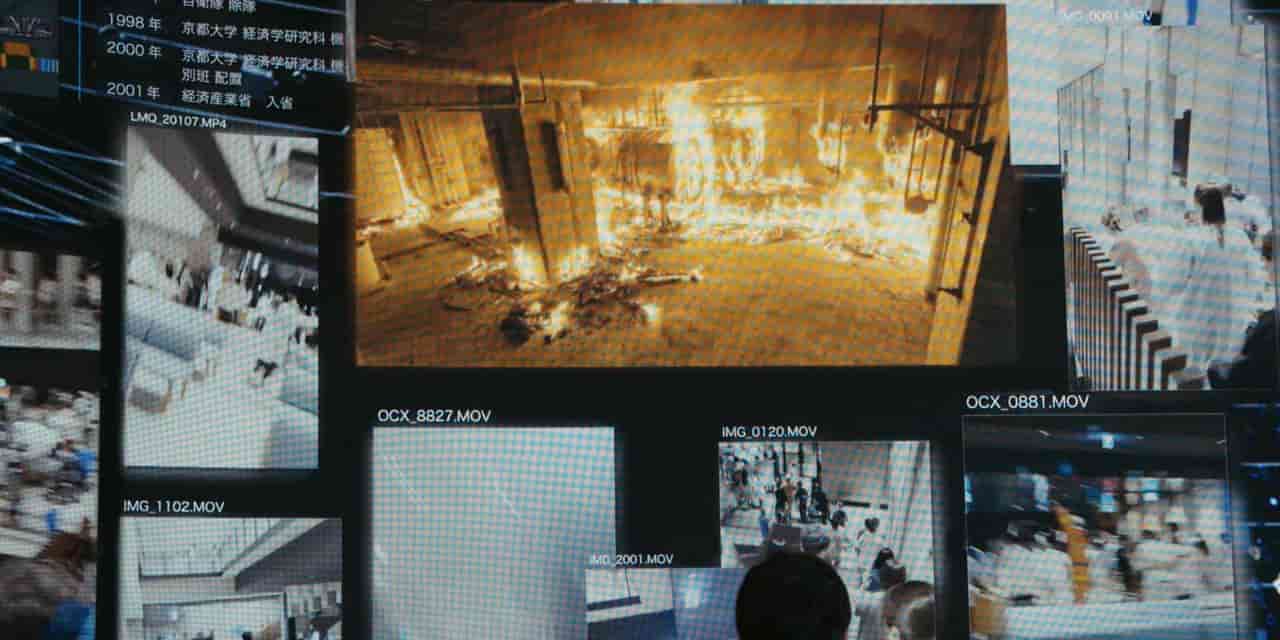
TBS, for instance, utilized generative AI to produce special effects for explosion scenes in its drama "Vivant." Meanwhile, Nippon TV launched "Tokyo Miko Ninja," a series that strategically employs generative AI for creature design, in-camera visual effects, and the creation of a "cyber-Edo" virtual world. The production team emphasized that AI was integrated as a core element of design, not merely for cost-cutting, to achieve visuals not possible with traditional methods.
In a separate development, NTT, in collaboration with TOKYO BROADCASTING SYSTEM TELEVISION (TBSTV) and TBS ACT, successfully demonstrated a long-distance remote connection of GPU resources for virtual production. This test, spanning approximately 3,000 km, leveraged the IOWN All-Photonics Network (IOWN APN) to enable high-quality video production with low latency, suggesting a future where production equipment can be flexibly allocated across distant sites. This initiative addresses operational challenges such as dispatching staff and a declining number of technicians.