Key facts
- China is actively promoting the AI video industry through local government incentives and tech cluster development.
- AI film production costs have dramatically decreased, with some short dramas costing only a few hundred yuan per minute.
- Major Chinese streaming platform iQIYI is heavily investing in AI content and offering creator subsidies.
- The first AI-produced major Chinese studio film, "Sanxingdui: Future Memories," has received regulatory approval for theatrical release.
- Concerns exist regarding copyright infringement, job losses for actors, plagiarism, and lack of originality in AI-generated content.
China is aggressively fostering its artificial intelligence video industry by creating tech clusters and offering financial incentives, mirroring its successful industrial policies in sectors like electric vehicles and solar panels. Local governments across the country are actively soliciting AI film studios and startups, promising benefits such as cheap rent, living allowances, and computing support.
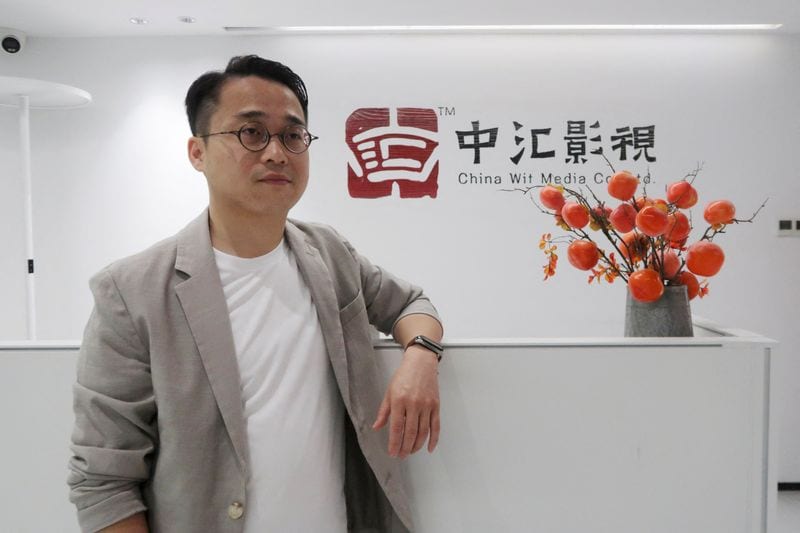
Filmmakers like Zhu Zhili, who heads the AI-Generated Content (AIGC) department at China Wit Media, report being approached daily by various cities eager to host their businesses. This push is driven by a desire to embed AI into all economic sectors, including filmmaking, and to gain an early lead in production techniques and distribution.
The low production cost of AI-generated content is a major draw. While conventional filming of a scene might cost 60,000 yuan, AI can achieve a similar result for as little as 1,400 yuan. This cost reduction has led to a surge in AI short dramas, with production costs plummeting from 5,000 yuan per minute to a few hundred yuan in the first half of 2026.
Major streaming platforms like iQIYI are fully embracing AI, offering subsidies to creators of AI content. Shanghai has introduced measures to accelerate AI-powered micro-drama production, providing computing power and cloud-based AI models, while Beijing has a 260 million yuan fund for audiovisual technology and offers vouchers to reduce computing costs for AI drama producers. Shenzhen is also attracting talent with technical support and subsidized rent.
However, the rapid expansion of the AI video industry is not without its challenges. There are signs of overcapacity, with a vast number of AI shows launched on platforms like Douyin, but only a small fraction achieving significant viewership. Concerns are also mounting among Chinese actors about the use of their likenesses, potentially leading to job losses and copyright issues. Consumers have voiced complaints about plagiarism and a lack of originality in AI-generated content. China requires explicit labeling for AI-generated content but has yet to establish clear copyright rules for it. The National Film Administration has granted a screening license to "Sanxingdui: Future Memories," the first AI film from a major Chinese studio to receive theatrical release approval.