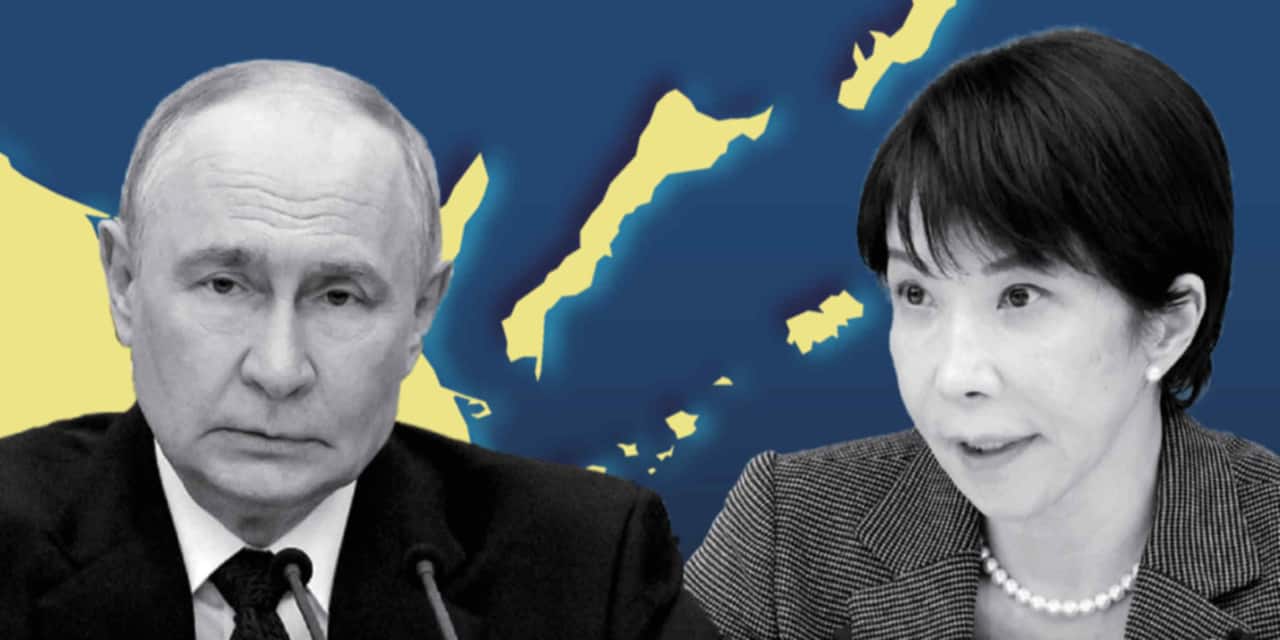
Key facts
- Japan relies on Russia for approximately 10% of its liquefied natural gas imports.
- Putin's visit to Etorofu Island is the first by a Russian president to the disputed islands.
- Japan has imposed sanctions on Russia since its invasion of Ukraine in February 2022.
- Ongoing Middle East tensions have highlighted Japan's energy supply chain vulnerabilities.
- The Sakhalin-2 project is an important LNG supply source for Japan.
Japan is navigating a delicate response to Russian President Vladimir Putin's recent visit to Etorofu Island, one of the disputed Northern Territories, due to its significant reliance on Russian liquefied natural gas (LNG). The visit, which occurred on August 13, 2026, has further strained relations between the two countries, which have yet to sign a peace treaty concluding World War II. Prime Minister Sanae Takaichi immediately condemned the visit as "absolutely unacceptable" and "incompatible with Japan’s consistent position," and Foreign Minister Toshimitsu Motegi summoned the Russian Ambassador to lodge a strong protest. However, Japan is constrained in its potential countermeasures, such as further sanctions or recalling its ambassador, because it imports approximately 10% of its LNG from Russia. The ongoing conflict in the Middle East and potential disruptions to shipping lanes like the Strait of Hormuz, through which a significant portion of Japan's energy imports transit, exacerbate Japan's energy vulnerability and limit its leverage over Russia. Russia, through Deputy Foreign Minister Mikhail Galuzin, has formally protested Japan's "anti-Russia" statements, asserting its inviolable sovereignty over the islands. The situation is further complicated by Japan's broader foreign policy alignment with the U.S. and European states in condemning Russia's invasion of Ukraine, which has already led to the suspension of peace treaty negotiations and canceled visa-free travel to the disputed islands.