Key facts
- Bahrain will not attend a meeting in Oman with Iran and Gulf states on the Strait of Hormuz.
- Bahrain's attendance is contingent on the restoration of diplomatic ties with Iran.
- Iran's foreign minister stated that an agreement with Oman on Hormuz security would not result in the strait's reopening.
- The reopening of the Strait of Hormuz depends on U.S. commitments, according to Iran's foreign minister.
- A meeting in Oman between Gulf countries and Iran to discuss possible agreements on the Strait of Hormuz has been postponed.
- Oman's Foreign Minister Badr Albusaidi announced the postponement on Sunday.
Middle East diplomacy faced setbacks as a planned meeting between Iran and Gulf Arab states regarding security in the Strait of Hormuz was postponed. Bahrain announced it would not attend the talks until diplomatic ties with Iran are restored. The postponement, announced by Oman's Foreign Minister Badr Albusaidi, came amid heightened tensions and attacks around key oil transit routes.
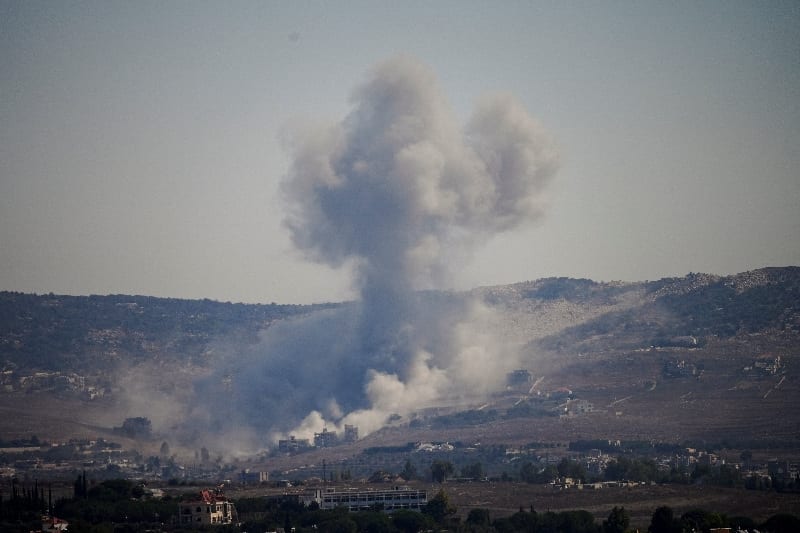
Saudi Arabia's main east-west oil pipeline, which bypasses the Strait of Hormuz, remained shut after being damaged in drone strikes. The British maritime security agency UKMTO reported a vessel was struck by a projectile in the Strait of Hormuz, leading to a fire and crew evacuation. Iran stated one person was killed and four crew wounded aboard an Iranian commercial vessel struck off its coast.
Oil prices surged above $100 a barrel last week, and the retail price of diesel fuel in the United States reached an all-time high above $6.20 a gallon. Traders indicated Saudi Arabia has enough stored oil to maintain exports for only five to seven days if the pipeline remains offline, potentially jeopardizing up to 4% of global oil supply. The extent of damage to the pipeline and repair timelines remain unclear.
Iran's Foreign Minister Abbas Araqchi indicated that any agreement with Oman would not lead to the reopening of the Strait of Hormuz until the United States satisfies Tehran's demands. U.S. President Donald Trump reiterated his expectation that the Iran war would end this year, potentially after the U.S. midterm elections in November, predicting a subsequent drop in gasoline prices.
Meanwhile, Houthi rebels in Yemen claimed responsibility for attacks on Saudi Arabia, including damage to homes and a mosque in Jazan province, and a strike on a Saudi military base. The Houthi advance along the Red Sea coast presents a dilemma for Washington, balancing support for Saudi allies and protecting shipping with avoiding further involvement in regional conflicts. Saudi Arabia's Crown Prince Mohammed bin Salman reportedly requested military aid from President Trump, but was offered intelligence support.