Key facts
- Houthi control of Yemen's Red Sea coast strengthens Iran's regional influence.
- The Houthi capture of strategic islands near Bab el-Mandeb is a game changer, increasing their leverage.
- Threats to Red Sea shipping and the Strait of Hormuz aim to raise oil prices and fuel inflation.
- Gulf states face a choice between absorbing economic costs or seeking accommodation with Iran.
- Saudi Arabia closed its Red Sea oil pipeline after it was attacked.
- Gulf foreign ministers will meet their Iranian counterpart in Oman on Monday to discuss shipping arrangements.
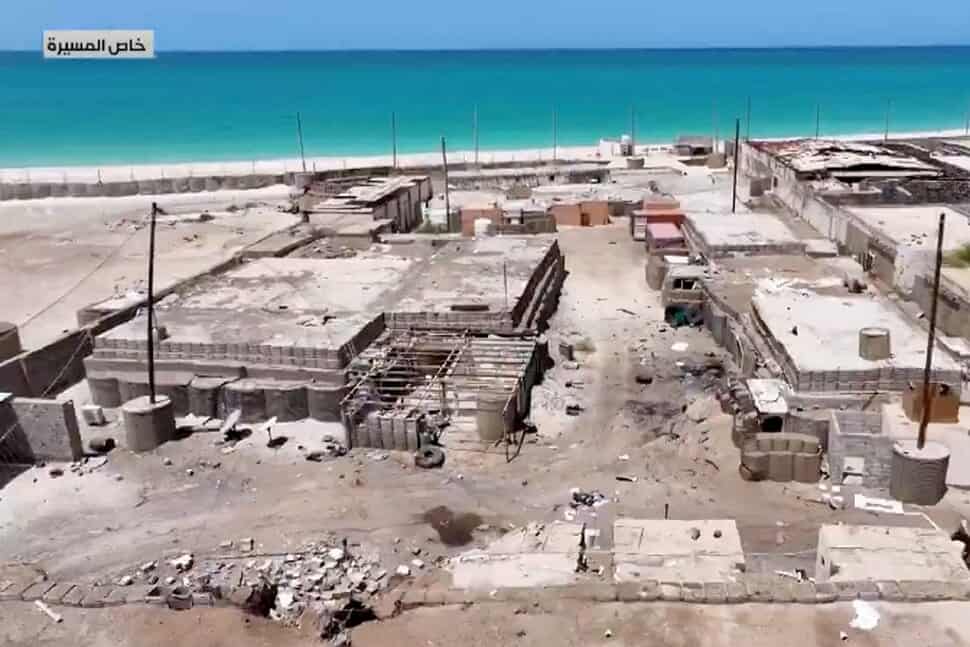
The Houthi capture of Yemen's Red Sea coastline is reshaping the balance of power in the Gulf, strengthening Iran's hand and confronting Saudi Arabia and its neighbors with a difficult choice: absorb mounting costs or seek accommodation with Tehran. By securing a position overlooking Bab el-Mandeb, one of the world's most important shipping arteries, the Iran-aligned group has opened a second pressure point, threatening Saudi oil exports diverted from the Strait of Hormuz.
Regional officials and analysts believe the strategy is designed to force Gulf states to choose between enduring growing economic pain from the squeeze on their oil exports and Iranian strikes, or engaging with Iran to protect trade, energy flows, and economic stability. Middle East analyst Fawaz Gerges described the Houthi capture of strategic islands near Bab el-Mandeb as a "game changer" that gives them far greater geopolitical and geoeconomic leverage over Saudi Arabia, the Gulf, the United States, and global trade.
Saudi Arabia rerouted much of its crude through Red Sea ports after the war effectively closed the Strait of Hormuz. However, on Friday, the kingdom closed the pipeline that carried the oil after it came under attack. Reports suggest that President Trump's refusal to agree to a Saudi request for the U.S. to strike the Houthis, combined with mounting economic costs, is reinforcing a view in some Gulf capitals that negotiations with Tehran are a necessity for self-preservation.
This potential shift may become visible as soon as Monday, when Gulf foreign ministers are scheduled to meet their Iranian counterpart, Abbas Araqchi, in Oman. The meeting is part of an Omani-Iran-backed effort to secure a temporary arrangement for managing shipping through Hormuz. A Gulf source indicated that Saudi Foreign Minister Faisal bin Farhan will attend, along with representatives from Qatar, the United Arab Emirates, and Iraq, aiming to agree on a temporary mechanism for Hormuz and potentially longer-term arrangements. A Western diplomat added that Kuwait would also be present, but Bahrain would not.
Iranian President Masoud Pezeshkian stated on Sunday that he had productive discussions with UAE Crown Prince Sheikh Khaled bin Mohamed bin Zayed Al Nahyan in New Delhi on the sidelines of the BRICS summit, agreeing to "put the past aside and look forward to the future, and how we can build a future together."