Key facts
- Gulf states postponed talks with Iran on the Strait of Hormuz due to lack of Arab consensus and Saudi anger over Iran's support for Houthis.
- Houthi rebels claimed responsibility for missile and drone attacks on Saudi military targets, including King Khalid airbase.
- An Iran-backed militia in Iraq reportedly forced Saudi Arabia to close a key east-west oil export pipeline.
- Houthi forces captured Perim Island and deployed fighters on Greater and Lesser Hanish in the Bab al-Mandeb strait.
- Brent crude oil rose more than 3% to $108 a barrel amid escalating regional tensions.
- Oman's foreign minister cited the need for consensus for the meeting's delay.
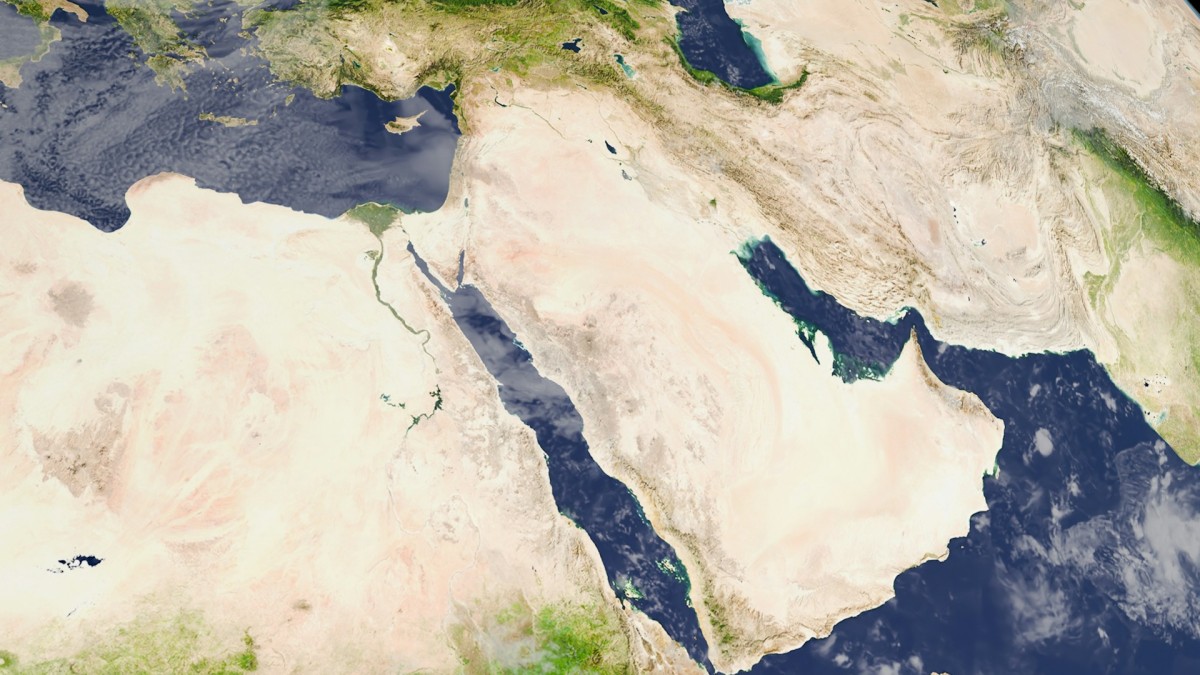
Gulf states called off planned talks with Iran concerning the Strait of Hormuz, citing a lack of Arab consensus and Saudi anger over Tehran's alleged support for Houthi rebels in Yemen. The postponement occurred on the same day that Yemen's Houthis fired dozens of missiles and drones at Saudi Arabia's King Khalid airbase, which they called retaliation for Saudi airstrikes.
Separately, a drone attack on Friday, which Riyadh blamed on Iran-backed fighters in Iraq, knocked out Saudi Arabia's East-West pipeline, the kingdom's only route around the blockaded strait. The 7-million-barrel-a-day line feeds the Red Sea port of Yanbu. Sources told Reuters its closure could cut off up to 4% of global oil supply if it remains down, and Yanbu has five to seven days of oil left.
Brent crude rose more than 3% to $108 a barrel when markets reopened Monday, while WTI traded at $104. U.S. diesel hit a new record above $6.23 a gallon. ING kept its fourth-quarter Brent forecast at $80, citing volumes still moving through Hormuz itself.
The Houthis captured Perim Island, which splits Bab al-Mandeb in two, on Friday, then deployed fighters on Greater and Lesser Hanish. The strait carries 12% of global trade, including 11% of maritime oil and 8% of LNG. Former State Department official David Schenker called simultaneous Iranian leverage over Hormuz and Bab al-Mandeb "the worst-case scenario... two of the leading energy choke points in the world."
Saudi Crown Prince Mohammed bin Salman met U.S. Central Command chief Admiral Brad Cooper in Jeddah on Monday after seeking American strikes on the Houthis, but Washington offered intelligence-sharing instead. U.S. President Trump said Sunday the U.S. could stay in Iran and "keep the oil," comparing it to Venezuela and saying oil sales there had "paid for the war many times." He repeated that gas prices would "drop like a rock" once the war ends, which he expects shortly after the midterms.