Key facts
- China's Foreign Minister Wang Yi urged Iran and the U.S. to show restraint and return to substantive consultations.
- Wang called for the early reopening of the Strait of Hormuz to safeguard international energy transport.
- China does not want regional tensions to spill over further into Yemen and the Red Sea.
- Iran's Foreign Minister Hossein Amirabdollahian visited Beijing for talks.
- The visit comes ahead of an expected meeting between Chinese President Xi Jinping and U.S. President Donald Trump.
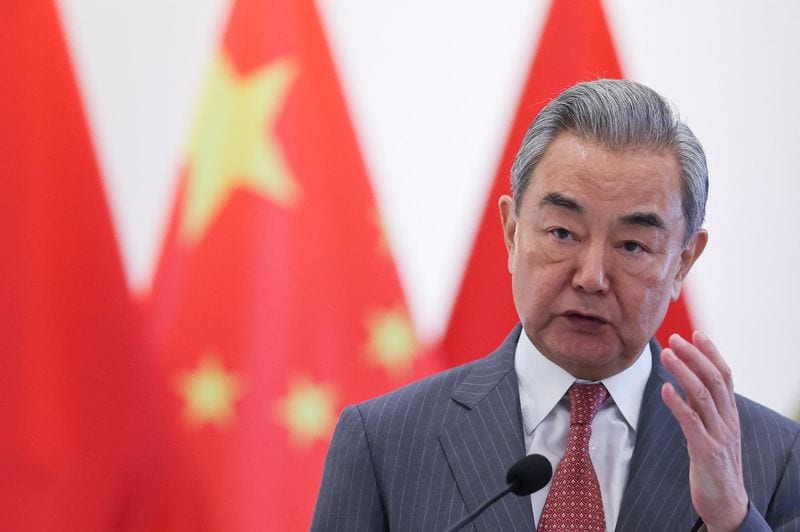
Chinese Foreign Minister Wang Yi urged Iran and the U.S. to remain rational, exercise restraint, and return to substantive consultations during a meeting with his Iranian counterpart, Hossein Amirabdollahian, in Beijing on Wednesday. Wang also called for the early reopening of the Strait of Hormuz to safeguard the stability of international energy transport and supply chains, stating that China does not want to see regional tensions spill further into Yemen and the Red Sea.
According to China's foreign ministry, Wang told Amirabdollahian that Tehran and Washington should "rebuild the negotiation mechanism based on the consensus reached so far." The talks occurred a week before an anticipated meeting between Chinese President Xi Jinping and U.S. President Donald Trump in Washington. U.S. Treasury Secretary Scott Bessent stated on Tuesday that Trump and Xi would continue discussions on Iran and China's financial links to Tehran, which the U.S. has been attempting to isolate from Western financial systems.
Beijing, a primary purchaser of Iranian oil, has consistently emphasized the necessity of restoring normal and safe navigation through the Strait of Hormuz but has largely avoided directly challenging Tehran's threats to shipping. Wang remarked that the current situation demonstrates the inadequacy of the existing security architecture in the Middle East, suggesting it needs reform and strengthening. He added that China is prepared to promote peace, fairness, and justice in the region and that its policy toward Iran remains consistent and stable.