Key facts
- The US House of Representatives may vote this week on a bill to sanction vessels transporting Russian liquefied natural gas (LNG).
- The bill specifically targets 14 specialized tankers serving the Yamal LNG project.
- The legislation passed the Senate in August with an 86-11 vote.
- Under the Senate-approved version, President Donald Trump would have 30 days to review and designate qualifying ships.
- The bill also allows for sanctions against foreign port owners or operators servicing sanctioned Russian vessels.
- Yamal LNG accounts for over 60% of Russia's LNG exports, with European ports receiving the vast majority of its cargoes.
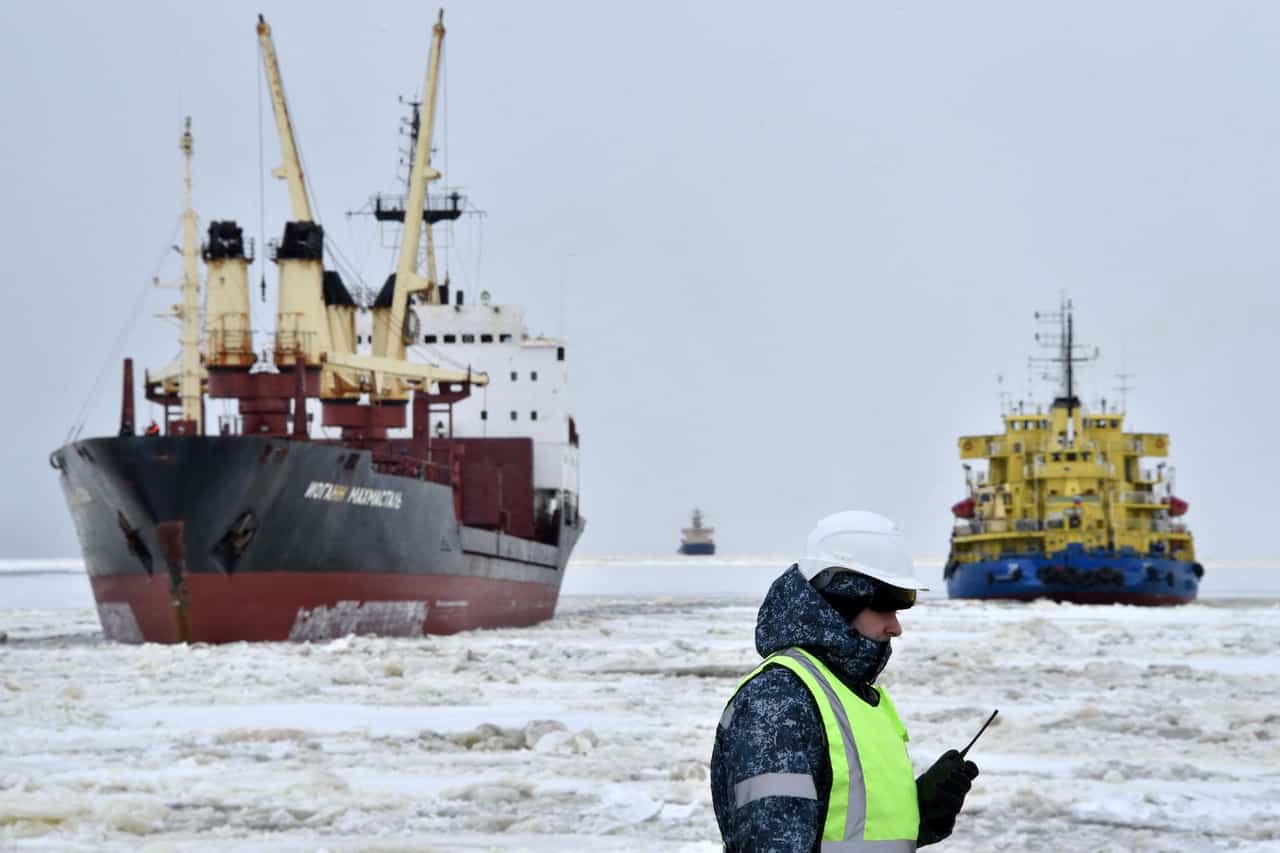
The US House of Representatives is poised to vote this week on the Sanctioning Russia and Iran Act of 2026, a bill that could impose sanctions on vessels involved in transporting Russian liquefied natural gas (LNG). The legislation specifically targets 14 specialized tankers crucial to the Yamal LNG project, a significant contributor to Russia's energy exports. The bill, which passed the Senate with broad bipartisan support in August, would grant President Donald Trump the authority to review and designate these vessels for sanctions.
According to the sanctions-monitoring NGO Urgewald, the House Rules Committee advanced the bill on September 14, paving the way for a floor vote. If enacted, the legislation would not automatically sanction all 14 Arc7 tankers but would require the President to determine which ships meet the criteria for designation within 30 days of the bill's enactment. The bill also includes provisions for sanctioning foreign port operators that knowingly provide services to sanctioned Russian vessels.
Yamal LNG is a cornerstone of Russia's LNG export strategy, accounting for over 60% of the country's total LNG shipments. Despite existing partial restrictions, European countries remain the primary market for these cargoes, with European ports receiving 136 out of 140 Yamal LNG shipments in the first half of 2026, valued at approximately 5.96 billion euros. The European Union is set to implement a full ban on Russian LNG imports in January 2027, but current demand continues to be vital for Russia's Arctic gas revenue. Disrupting the trade routes of the specialized Arc7 tankers, designed for harsh Arctic conditions, could have significant financial implications for Russia.