Key facts
- India plans to develop 5,500 MW of new hydroelectric projects in Jammu and Kashmir.
- Recent flash floods in Kishtwar district damaged the Kwar Hydroelectric Power Project site.
- The region has a history of natural disasters, including cloudbursts, floods, and landslides.
- Similar incidents at hydropower project sites in Uttarakhand and Sikkim have resulted in fatalities and significant damage.
- Experts question the safety of building large infrastructure in geologically sensitive Himalayan regions.
India is pushing forward with ambitious plans to develop 5,500 MW of new hydroelectric projects in Jammu and Kashmir, a region already prone to natural disasters. Recent flash floods and landslides in Kishtwar district, triggered by intense rainfall, have highlighted the risks associated with such large-scale infrastructure development in the geologically sensitive Himalayan terrain.
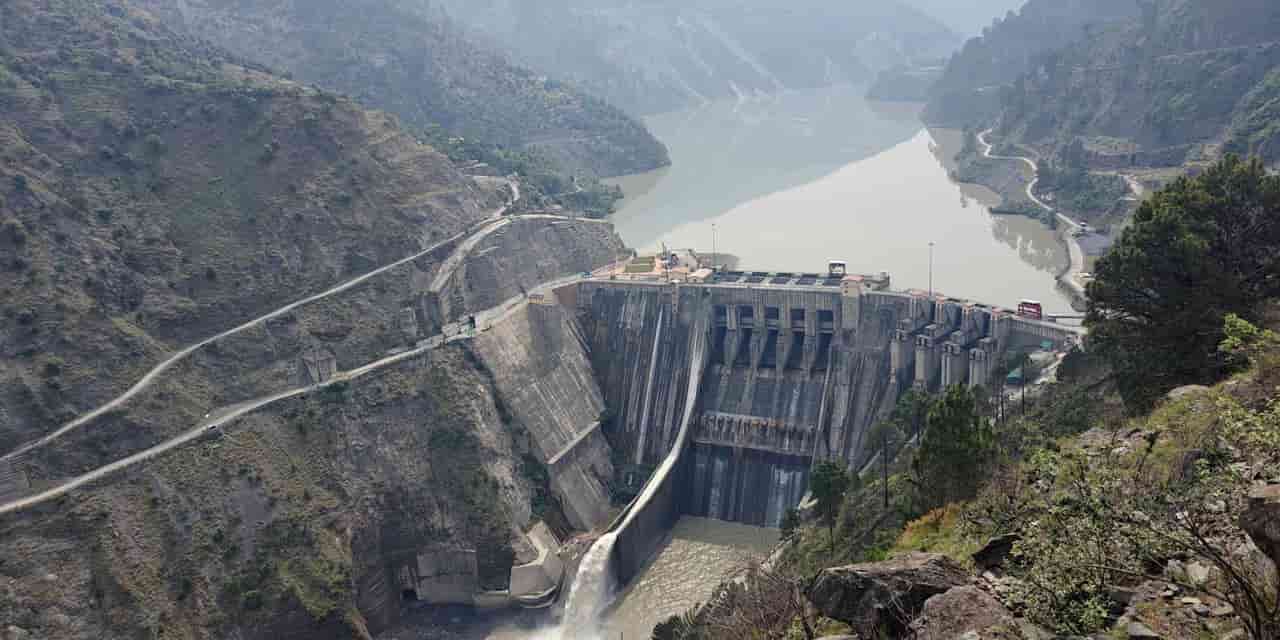
The floods on July 6 damaged the under-construction 540 MW Kwar Hydroelectric Power Project site, burying heavy machinery and blocking key transportation routes like National Highway 244. Authorities had to open gates of the Baglihar Dam as the Chenab River swelled. This incident follows a devastating cloudburst in the same district on August 14, 2025, which killed 62 people and left 41 missing.
Experts and locals are raising concerns that the continuous construction of hydropower projects in the Himalayas exacerbates the risk of natural disasters. The term 'cloudburst' is often misapplied to flash floods, obscuring the need for better planning and construction practices in mountainous regions. Past incidents, such as the 2021 avalanche-triggered deluge in Uttarakhand that hit the Tapovan Vishnugad plant and the 2023 glacial lake outburst flood in Sikkim that destroyed the Teesta III dam, underscore the severe consequences of such events, resulting in significant loss of life and extensive damage.
Despite these risks, India's push for hydropower in Jammu and Kashmir is part of a broader strategy to accelerate renewable energy infrastructure, boost regional economic growth, and achieve long-term energy security. The initiative aims to fast-track river projects, potentially leveraging the strategic suspension of the Indus Waters Treaty.