Key facts
- China is increasing its use of the Arctic shipping route due to threats in the Red Sea.
- The Arctic route offers a significantly shorter journey time between Asia and Europe.
- Western shipping companies remain cautious about the Arctic route due to environmental and geopolitical concerns.
- South Korea has launched its first commercial Arctic voyage to test route viability.
- Russia controls navigation and permits for the Northern Sea Route.
The Middle East conflict and heightened threats to shipping in the Red Sea have prompted China to increase its use of the Arctic route for container transport to Europe. Melting Arctic ice is making this northern passage more viable during summer months, offering a faster alternative to traditional maritime paths that are currently facing increased risks.
China's Sea Legend is launching a regular weekly shipping service via the Arctic, referred to as the 'Ice Silk Road,' which significantly cuts transit time between Chinese ports like Ningbo and European destinations such as Felixstowe. This route bypasses geopolitical flashpoints in the Middle East.
Despite the potential benefits, major Western shipping companies like Maersk, Hapag Lloyd, and MSC have expressed reservations about the Arctic route. They cite concerns over underdeveloped infrastructure, safety, environmental impact on the fragile Arctic ecosystem, and strained relations with Russia, which controls navigation and permits for the Northern Sea Route.
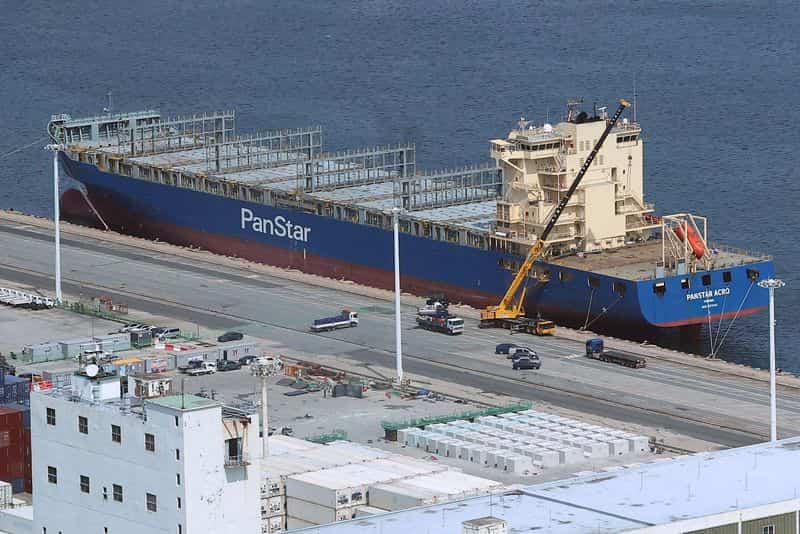
South Korea has also initiated its first commercial Arctic voyage with the container ship PanStar Acro, aiming to test the route's viability. The vessel is expected to complete its journey in approximately 45 days, covering 6,400 kilometers through Arctic waters. India is also exploring similar Arctic shipping options.
Allianz, an insurance giant, has cautioned about the operational risks in the Arctic, including machinery failures and the difficulty of organizing search and rescue operations. However, the allure of bypassing Middle Eastern chokepoints remains a strong motivator for some shipping operators.