All NewsEducationTV
Equities & FundsCrypto & Digital AssetsAI & TechnologyBusiness & CorporateUS Politics & PolicyGeopolitics & Global RiskMacro, Rates & FXCommodities & EnergyEuropean Politics & MarketsAsia-PacificReal Estate & Property
All NewsHome
← Back to Geopolitics & Global Risk

Iran War Disrupts Middle East Travel, Boosting Asian Hubs

Created at 20 Aug · 8:56 AM1 source↑ Market-relevant
IN SHORT

The ongoing conflict in the Middle East has significantly reduced transit traffic at Middle Eastern airports, creating new opportunities for Asian hubs like Seoul. This shift is prompting travelers to consider longer layovers in cities such as Seoul, which offers extensive cultural attractions and efficient transport from its international airport.

Key Numbers

7 hoursminimum layover time to explore Seoul
3 hourssightseeing time within Seoul
45 minutesminimum connection time for international to international
90 minutesminimum connection time for international to domestic
1-5 hourslayover duration for free guided tours

Who's Involved

Going.com
provider of layover guides and flight alerts
Skyscanner
platform for finding flights with long layovers
Iran War Disrupts Middle East Travel, Boosting Asian Hubs

↳ Why This Matters

The geopolitical instability in the Middle East is reshaping global air travel routes, presenting new opportunities for Asian transit hubs and influencing traveler choices for long-haul journeys.

Key facts

  • The Iran war has led to a decrease in transit traffic at Middle Eastern airports.
  • Asian hubs, particularly Seoul, are benefiting from this shift.
  • Seoul's Incheon International Airport offers various amenities and free guided tours for layover passengers.
  • A minimum of 7 hours is recommended to explore Seoul, with 3 hours dedicated to sightseeing.
  • Efficient international-to-international connections at Incheon typically require 45 minutes.
  • The ongoing conflict in the Middle East has significantly impacted air travel, leading to a decline in transit traffic through Middle Eastern airports. This disruption is creating opportunities for other global hubs, particularly in Asia, to attract more long-haul layover passengers. Seoul, with its efficient Incheon International Airport and a wealth of cultural attractions, is emerging as a prime beneficiary.

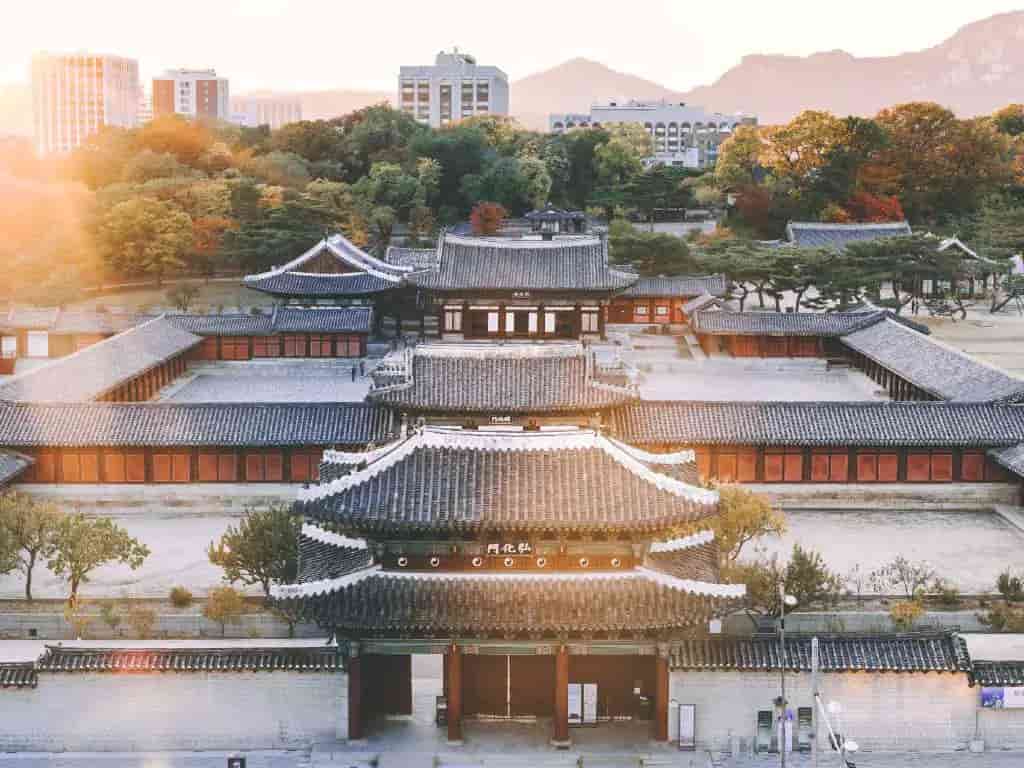
    Incheon International Airport offers a range of amenities for travelers, including cultural experiences, shopping, spas, and even a golf course. For passengers with longer layovers, the airport provides free guided tours that showcase popular city sights such as historical palaces and vibrant markets. To make the most of a layover in Seoul, a minimum of 7 hours is recommended, allowing approximately 3 hours for actual sightseeing. The city itself is described as a blend of historical and modern elements, with unique dining and shopping experiences.

    Navigating connections through Seoul is generally efficient. International-to-international connections at Incheon typically require only 45 minutes, as passengers do not usually pass through customs or passport control unless entering South Korea. However, international-to-domestic transfers require a longer window, ranging from 90 minutes to 3 hours, especially if transferring between Incheon (ICN) and Gimpo (GMP) airports. Platforms like Skyscanner are facilitating the booking of flights with extended layovers, allowing travelers to explore additional cities without significant cost increases.
    Frequently asked questions

    The minimum connection time for international to international flights at Incheon Airport is typically 45 minutes, as passengers usually do not need to go through customs or passport control.

    A minimum of 7 hours is recommended for a layover in Seoul, which allows for approximately 3 hours of sightseeing in the city.

    Yes, Incheon International Airport offers free guided tours for passengers with layovers of 1 to 5 hours, showcasing popular city sights.

    The ongoing conflict in the Middle East has reduced transit traffic at Middle Eastern airports, creating opportunities for hubs in Asia and other regions.

    What Happens Next

    01Airlines may adjust routes to capitalize on shifting transit traffic.
    02Travelers may increasingly seek out layovers in cities like Seoul.
    03Further analysis of the long-term impact of Middle Eastern conflicts on air travel is expected.

    How It Developed

    The Iran war has reduced transit traffic at Middle Eastern airports.
    This reduction creates opportunities for Asian hubs.
    Seoul offers historical palaces, modern architecture, food markets, and nature.
    Seoul's Incheon Airport provides attractions like cultural experiences, shopping, and spas.
    Incheon offers free guided tours for passengers with layovers of 1-5 hours.
    A minimum of 7 hours is ideal for exploring Seoul, with 3 hours for sightseeing.
    International to international connections at Incheon require 45 minutes.
    International to domestic transfers require 90 minutes to 3 hours.

    Sources

    T1
    Why Your Next Long-Haul Layover May Be in Seoul, Not DubaiThe New York Times
    T2
    Layover in Seoul: What To Do With a Long Layover (2026)going.com
    T2
    Flights with long layovers: Here's how to find themskyscanner.com

    Related Stories

    Somali pirates capitalize on Middle East conflict, increasing shipping risks
    19 Aug · 8:21 PM
    Iran's Economy Buckles Under War Strain Amid Stalled Diplomacy
    20 Aug · 5:05 AM
    Trump Escalates Economic Pressure on Iran, Warns Trade Partners
    19 Aug · 11:26 PM
    Israel warns Turkey over Syria airbase strikes amid re-election campaign
    20 Aug · 1:40 AM
    South Korean ship tests Arctic route to Europe, risking friction with allies
    19 Aug · 5:06 PM