China's rise strains aging U.S.-Japan alliance
IN SHORT
The U.S.-Japan alliance, approaching its 75th anniversary, faces challenges due to China's growing influence and shifts in Japanese domestic politics. Prime Minister Sanae Takaichi's administration is navigating these complexities amidst a changing political landscape.
Key Numbers
75 yearsalliance duration
2 percentJapan's defense spending target
2025fiscal year for defense spending target
October 2025Takaichi's inauguration
26 yearsduration of LDP-Komeito coalition
Who's Involved
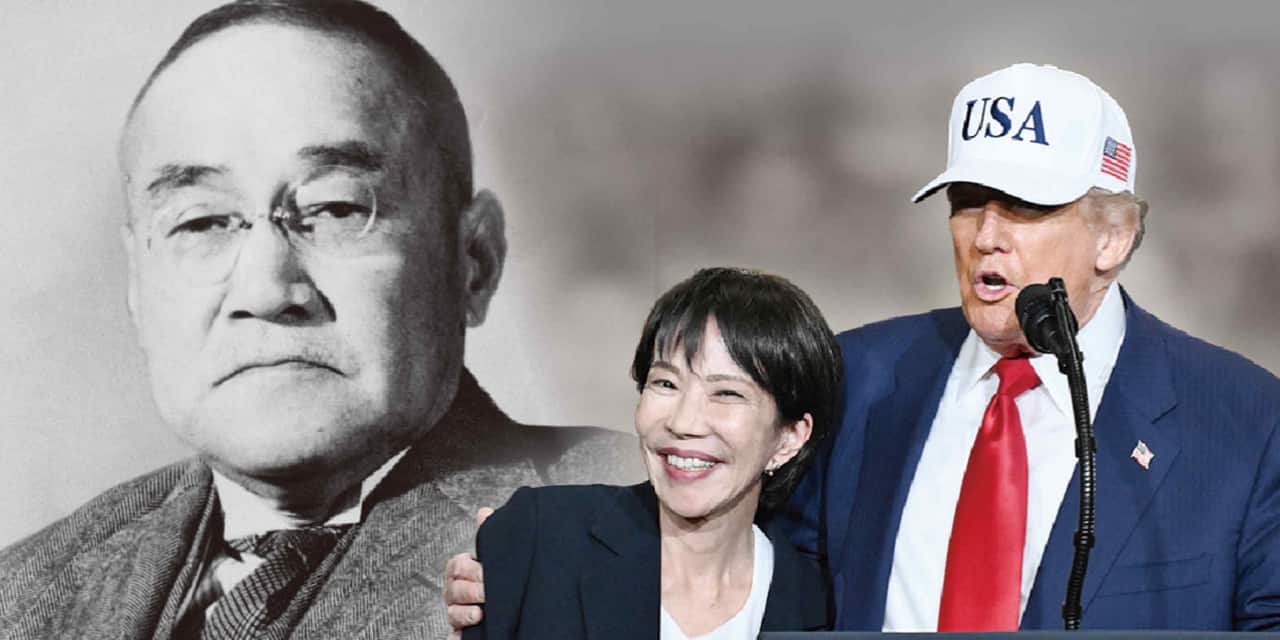
Sanae Takaichi
Prime Minister of Japan and leader of the Liberal Democratic Party
Donald Trump
U.S. President visiting Japan
Shigeru Yoshida
Former Prime Minister who signed the U.S.-Japan Security Treaty
↳ Why This Matters
The evolving U.S.-Japan alliance is crucial for regional stability in the Asia-Pacific, particularly as China's influence grows. Shifts in Japanese domestic politics and defense policy could significantly alter the balance of power in the region.