Key facts
- Taiwan's National Security Council is taking a larger role in shaping the island's strategy against China.
- The council is driving defense and resilience reforms, drawing lessons from global conflicts.
- Taiwan faces significant vulnerabilities in energy, undersea cables, and its defense industry.
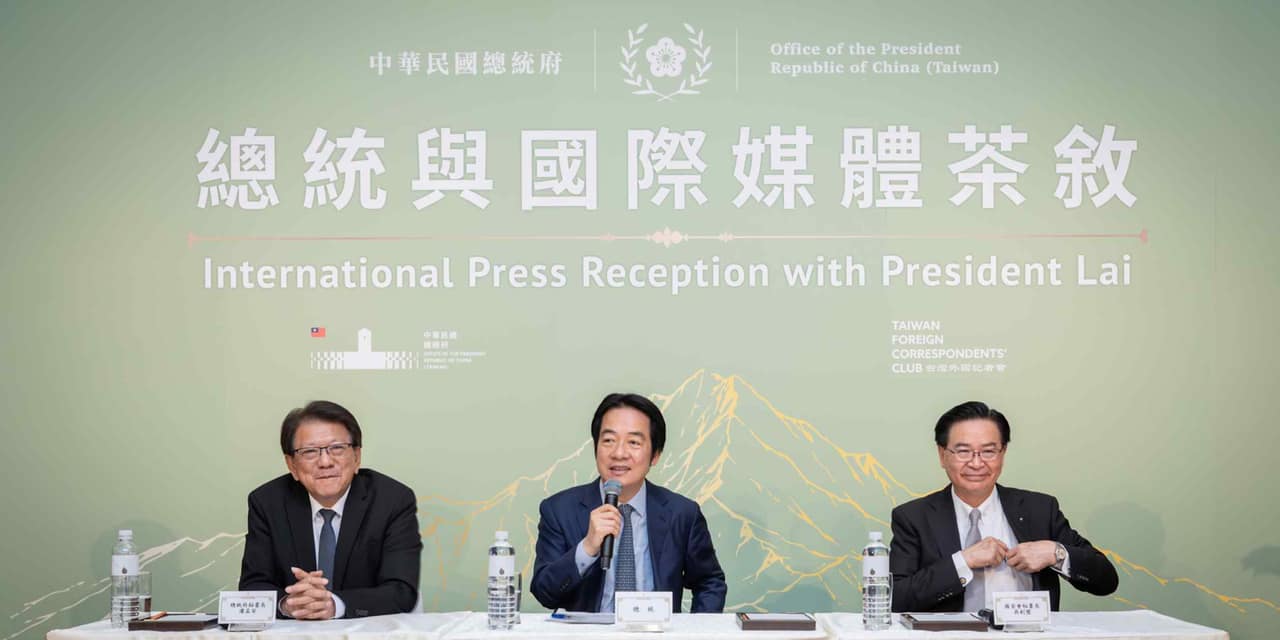
- In March 2025, President Lai Ching-te declared China a 'foreign hostile force' at a National Security Council meeting.
- PLA military exercises simulating blockade and strike scenarios were conducted around Taiwan in April 2025.
- A proposed $40 billion defense budget remains stalled in Taiwan's legislature due to political polarization.
Taiwan's National Security Council, once a secondary body, is now a central architect of the island's strategy to counter increasing pressure from China. The agency is spearheading defense and resilience reforms, drawing critical lessons from global conflicts like the war in Ukraine and the conflict involving Iran.
Taiwan's resilience efforts are focused on addressing vulnerabilities such as near-total dependence on imported fuels, reliance on fourteen international undersea cables, and a lack of a significant indigenous defense industry. The government is pursuing solutions including developing low-orbit satellite providers, restarting nuclear power reactors, and fostering a domestic drone industry. The island's position as a technological superpower, particularly in advanced chip production essential for AI, is also a key economic and security asset, contributing to significant economic growth.
However, political polarization within Taiwan poses a threat to these efforts. A proposed $40 billion special defense budget, crucial for procuring U.S. capabilities and stimulating domestic manufacturing of missiles and drones, is stalled in the legislature. Opposition parties, including the KMT and TPP, are divided on the budget, with some favoring funding a U.S. arms package while others express concerns about provoking China and the reliability of the U.S. as a partner.
In March 2025, President Lai Ching-te formally declared China a 'foreign hostile force' at a National Security Council meeting, leading to follow-up measures such as reviewing military personnel identification and tightening entry restrictions for China-linked individuals. Beijing responded with strong condemnation and warnings. Subsequently, the PLA conducted joint military exercises around Taiwan in April 2025, simulating blockade and strike scenarios, which Taiwan's Ministry of National Defense monitored closely.