Key facts
- A U.S. Navy P-8A Poseidon aircraft transited the Taiwan Strait in international airspace.
- The U.S. 7th Fleet stated the transit demonstrates the United States' commitment to a free and open Indo-Pacific.
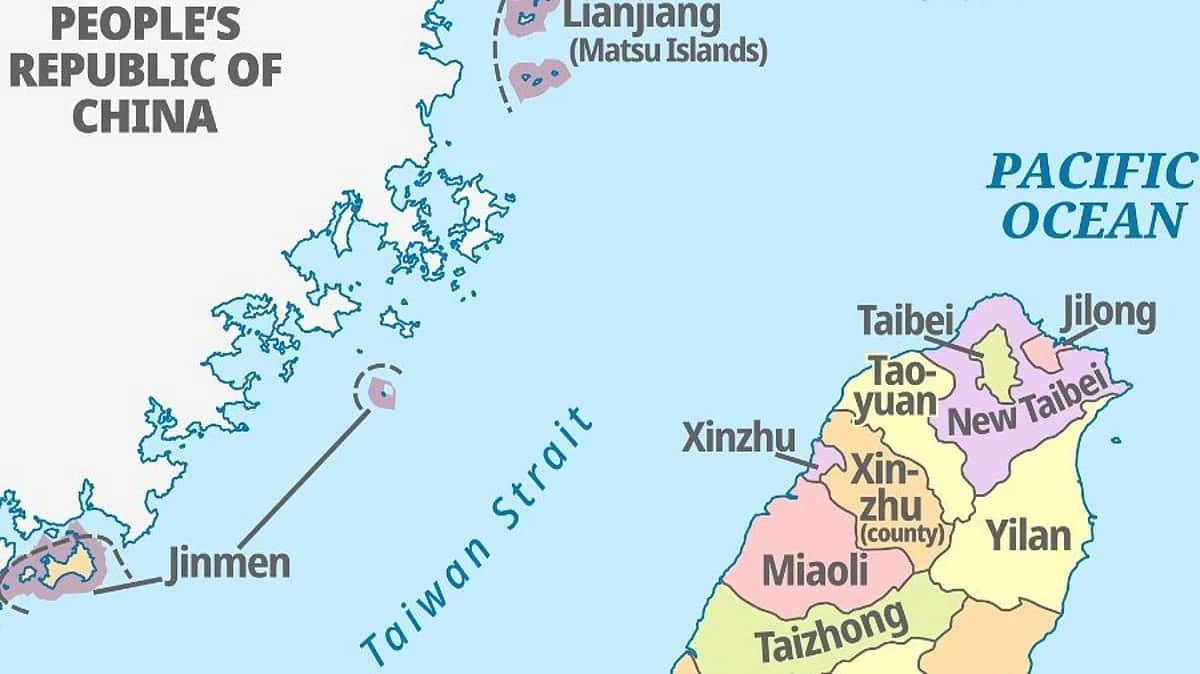
- China claims Taiwan as its own territory and asserts jurisdiction over the strait.
- Taiwan and the U.S. state the strait is an international waterway.
- The transit occurred ahead of U.S. President Donald Trump's planned visit to China.
A U.S. Navy P-8A Poseidon aircraft transited the Taiwan Strait in international airspace, a move the U.S. 7th Fleet stated demonstrates the United States' commitment to a free and open Indo-Pacific. The transit comes ahead of U.S. President Donald Trump's planned visit to China this month, as Washington and Beijing seek to stabilize ties marred by issues including Taiwan, trade disputes, and technology curbs. "By operating within the Taiwan Strait in accordance with international law, the United States upholds the navigational rights and freedoms of all nations," the 7th Fleet said in a statement. Chinese naval and air forces tracked, monitored, and conducted alert operations throughout the process, according to state-backed Global Times, citing a source. The Chinese military "effectively handled the situation," the report added. U.S. military ships or aircraft routinely pass through or above the waterway that separates democratically governed Taiwan from China, missions that consistently anger Beijing. China claims democratically governed Taiwan as its own territory and says it has jurisdiction over the strait, a claim that Taiwan and the U.S. dispute, asserting the strait is an international waterway. China has repeatedly stated that the Taiwan issue is its internal affair and at the core of Beijing's interests, a red line that must not be crossed or trampled on. Taiwan's government rejects China's sovereignty claims, stating that only Taiwan's people can decide their future.