Key facts
- Iran has blacklisted 45 tankers, threatening fines and detention.
Iran has blacklisted 45 tankers and threatened fines and detention, contributing to a three-month low in traffic through the Strait of Hormuz. Despite a temporary transit agreement with Oman, Iran stated the strait remains closed except through its own arrangements.
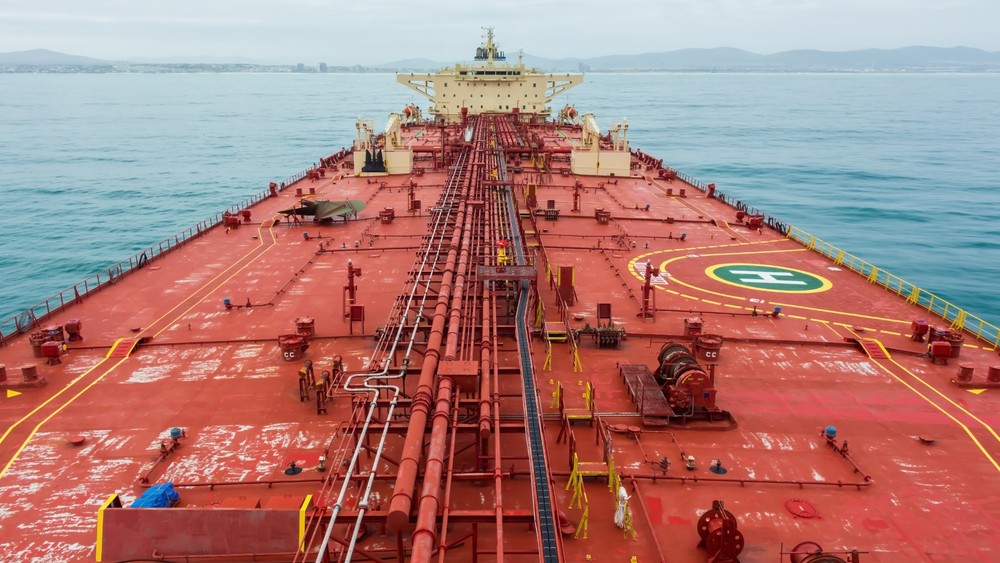
The Strait of Hormuz is a critical chokepoint for global oil supplies. Reduced traffic and heightened tensions in the region can impact global energy security and potentially lead to price volatility.
Iran has blacklisted 45 tankers, threatening fines and detention, as commodity vessel transits through the Strait of Hormuz have fallen to a three-month low. Maritime security firm Windward reported that only two commodity tankers passed through the strait on Monday, with zero outbound transits recorded in the past 24 hours.
Oman and Iran are resuming talks on vessel management through the waterway. Oman's Foreign Minister Badr Albusaidi met with Iranian officials, and the two countries issued a joint statement on a proposed framework that includes a temporary joint maritime corridor and a mine-clearing project. Technical negotiations are expected to continue regarding a permanent maritime corridor and traffic management.
Concerns have been raised by the international shipping community that Iran's proposed oversight of vessels entering the Mideast Gulf could fall short of freedom of navigation principles. US president Donald Trump issued a warning to Iran against placing new mines in the Strait of Hormuz, citing a 'Zero Tolerance policy'.
Traffic through the strait has been bifurcated between northern and southern lanes since the conflict began, with the center lane believed to be mined. The amount of traffic on the southern lane has drawn scrutiny, with the US claiming higher figures than independently corroborated. An oil tanker was hit off the coast of Oman, disabling the vessel but leaving the crew uninjured, an incident attributed to Iran's efforts to consolidate control over traffic.
Iranian Deputy Foreign Minister Kazem Gharibabadi stated on Tuesday that the Strait of Hormuz remains closed despite a temporary transit agreement with Oman. He added that America and other countries should know the strait will not be opened except through Iranian arrangements, and that Iran remains "in a state of war."
Pick the topics you care about. Get only what matters, on your cadence.