Key facts
- Iran has vowed retaliation against countries cooperating with fresh US sanctions.
- The US Treasury Secretary Scott Bessent announced a "crushing economic operation" against Tehran.
- The UAE announced an end to all trade with Iran, which Tehran believes was coordinated with Washington.
- Iran's security chief threatened to disrupt oil exports from the Persian Gulf if neighboring countries join US sanctions.
- Iran's crude oil exports have reportedly "virtually stopped" due to a US blockade, impacting the rial's value.
Iran has issued stern warnings of retaliation against any nation that cooperates with the United States' latest economic sanctions, which U.S. Treasury Secretary Scott Bessent has described as the "single greatest financial offensive ever marshalled against an adversary."
Tehran believes the United Arab Emirates' decision to end all trade with Iran was coordinated with Washington. The U.S. has stated it will impose secondary sanctions on any country or entity trading with Iran, testing whether nations like India, China, and Russia will risk U.S. reprisals for continued trade.
China has previously directed its firms to ignore U.S. warnings over Iranian oil imports, deeming the threats illegitimate. However, Iran's crude oil shipments to Asia have reportedly ceased due to a U.S. naval blockade, driving cargo costs to multi-year highs. Iran's central bank governor acknowledged that crude exports have "virtually stopped."
The White House contends that Iran's economy is nearing collapse due to hyperinflation and a lack of foreign exchange income. The Iranian rial has depreciated significantly against the dollar. Despite over two decades of U.S. economic pressure, Iran has survived.
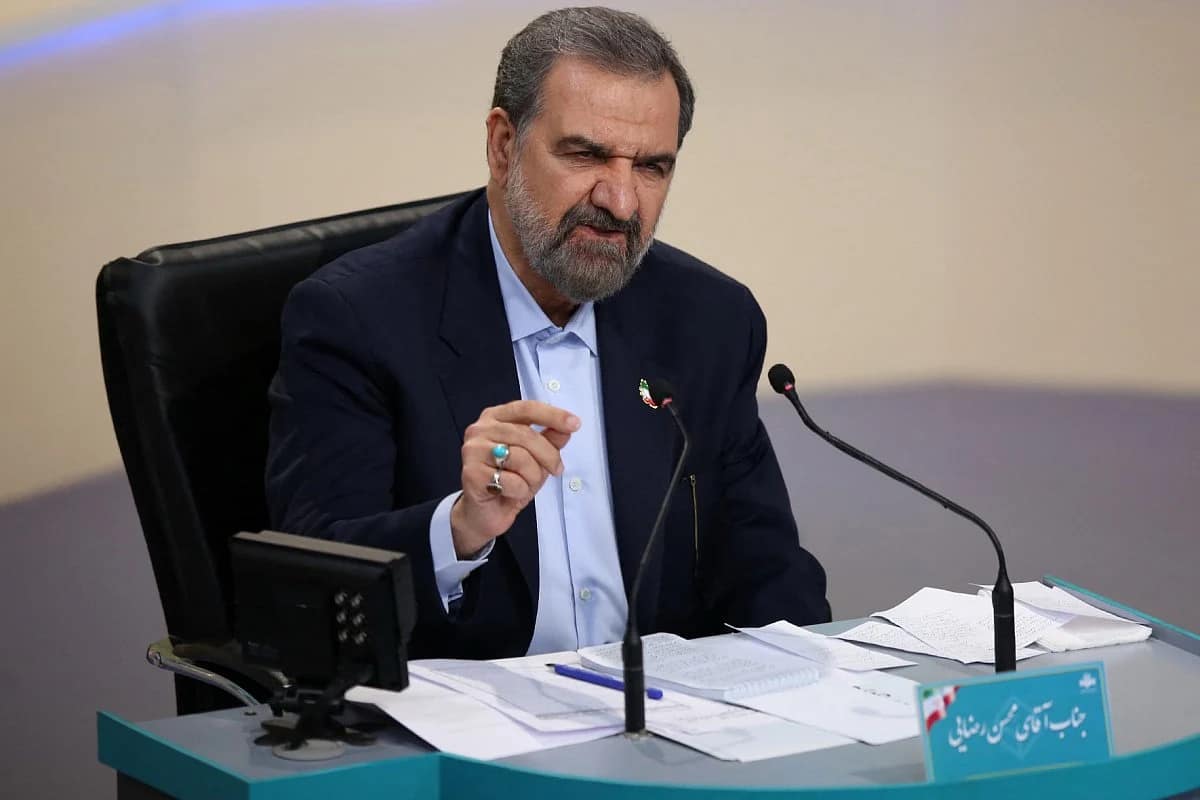
Iran's security chief, Mohsen Rezaei, threatened an "earthquake-like" retaliation and warned Gulf neighbors that "not a drop of oil will leave the Persian Gulf and the Strait of Hormuz" if they join the U.S. sanctions. Shipping through the Strait of Hormuz has remained severely disrupted.
Iranian officials, including Foreign Minister Abbas Araghchi and international lawyer Reza Nasri, dismissed the sanctions as a sign of U.S. desperation and an overreach of jurisdiction. They argue that repeating failed methods will not yield different results and violates international law and national sovereignty.
Professor Hassan Ahmadian suggested that the U.S. is admitting a significant step backward after military actions failed, returning to economic pressure. He indicated Iran might prefer war over passively accepting the blockade.
In parallel, Pakistan's army chief, Syed Asim Munir, visited Tehran to discuss reviving talks on a stalled memorandum of understanding.