Key facts
- The U.S. has expanded sanctions on Iran, targeting nearly 60 individuals, entities, and vessels.
- The sanctions focus on Iran's digital assets, technology, gold, aviation, and shipping sectors.
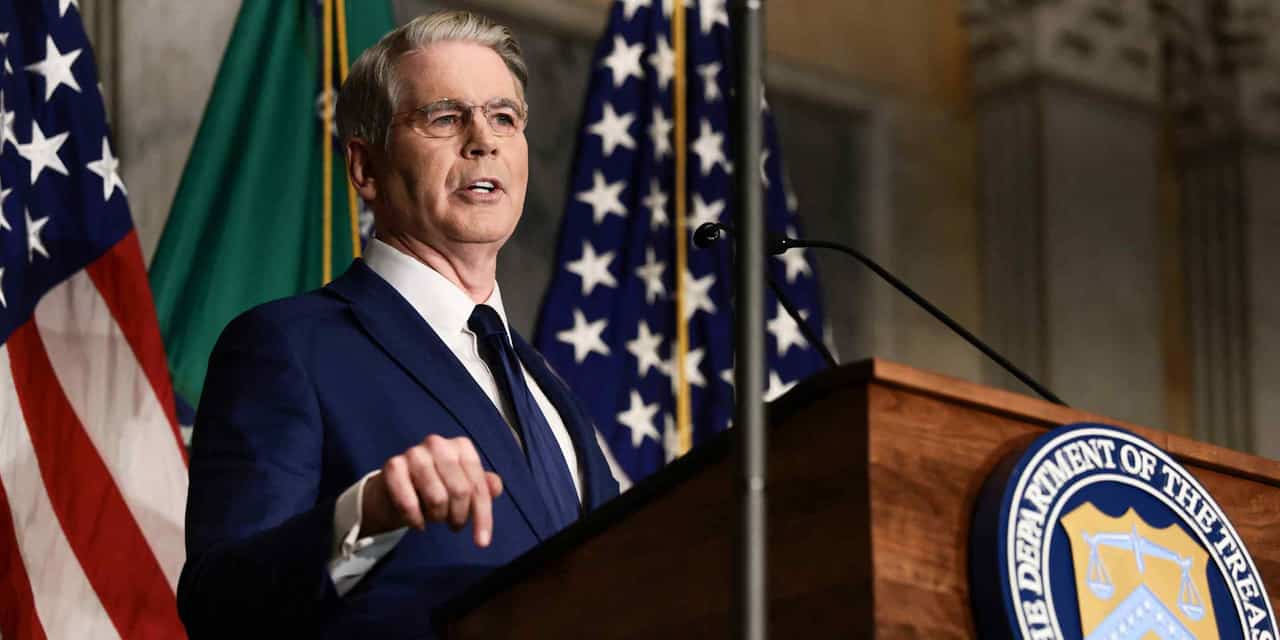
- Treasury Secretary Scott Bessent announced the measures, calling them an 'economic onslaught'.
- The U.S. is increasing pressure on China, a major buyer of Iranian oil, but has not sanctioned major Chinese banks.
- The U.S. Treasury stated it will sanction individuals who help Iran through the crypto sector.
The Trump administration has intensified economic pressure on Iran by expanding sanctions, aiming to cut off its financial lifelines. Treasury Secretary Scott Bessent formally launched 'Operation Economic Outcast,' warning that countries and entities continuing business with Iran risk exclusion from the U.S. financial system. The new measures target Iran's use of digital assets, technology, gold, aviation, and shipping, in addition to existing sanctions on its financial, petroleum, and petrochemical industries. Approximately 60 individuals, entities, and vessels have been sanctioned.
The U.S. Treasury stated it will sanction individuals who help Iran through the crypto sector, noting that the regime increasingly turns to cryptocurrency for sanctions evasion, supporting transactions linked to the Islamic Revolutionary Guard Corps (IRGC) and Iranian regime insiders. While the U.S. is increasing pressure on China, a significant buyer of Iranian oil, it has refrained from sanctioning major Chinese banks. Iranian crude availability in China has reportedly declined.
China's Foreign Ministry stated that sanctions and pressure tactics do not help and Beijing would protect its interests. Iran has dismissed U.S. threats and warned shipping not to pass through the Strait of Hormuz without permission. Long queues formed at petrol stations across Tehran after the U.S. announced fresh sanctions, with residents expressing concern over fuel supplies and the wider economy.