Key facts
- A non-invasive ultrasound brain-computer interface technology has been developed in China.
- The technology aims to awaken patients with chronic consciousness disorders, often referred to as 'vegetative state'.
- One patient, comatose for three months due to a brain hemorrhage, was successfully awakened after 30 days of ultrasound treatment.
- The awakened patient can now converse, self-feed, and walk with assistance.
- In a study of 24 patients, 13 showed improved conscious behavior.
- The treatment involves three sessions per week, each 20 minutes long, for four weeks.
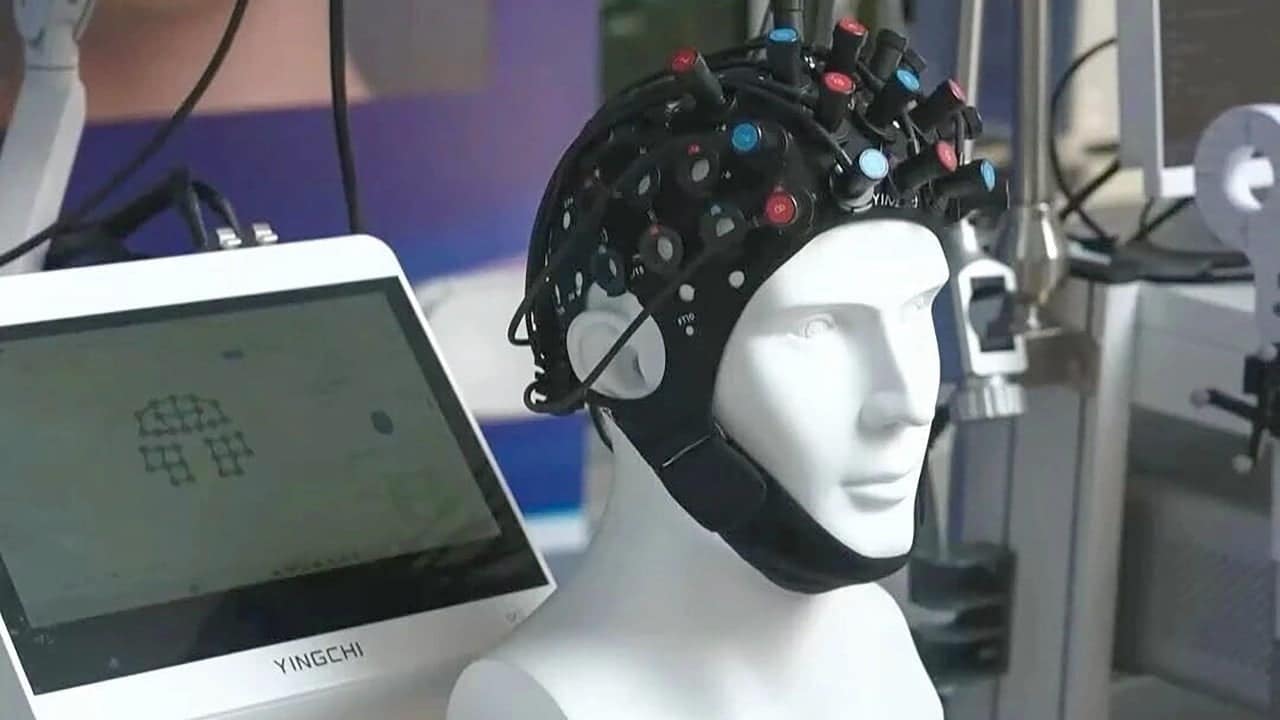
Researchers in China have developed a novel non-invasive ultrasound brain-computer interface technology that shows promise in treating patients with chronic consciousness disorders. The technology uses focused ultrasound waves to stimulate deep brain regions, aiming to reactivate neural pathways and restore consciousness. In a preliminary clinical study involving 24 patients, 13 demonstrated clear improvements in conscious behavior. One notable case involved a patient who had been in a coma for three months due to a brain hemorrhage; after 30 days of this ultrasound therapy, the patient was successfully awakened and regained the ability to speak, eat independently, and walk with support. This approach represents a new direction in brain-computer interfaces, moving beyond external control to internal neural repair and plasticity.