Key facts
- Airbus is alerting customers to a quality defect in A321neos.
- The defect could reduce corrosion resistance inside the fuselage structure.
- Over 500 aircraft may be affected.
- The issue impacts aircraft in production and already delivered.
- Airbus confirmed the defect originated with a Tier 2 supplier.
- The lapse is not considered a safety issue.
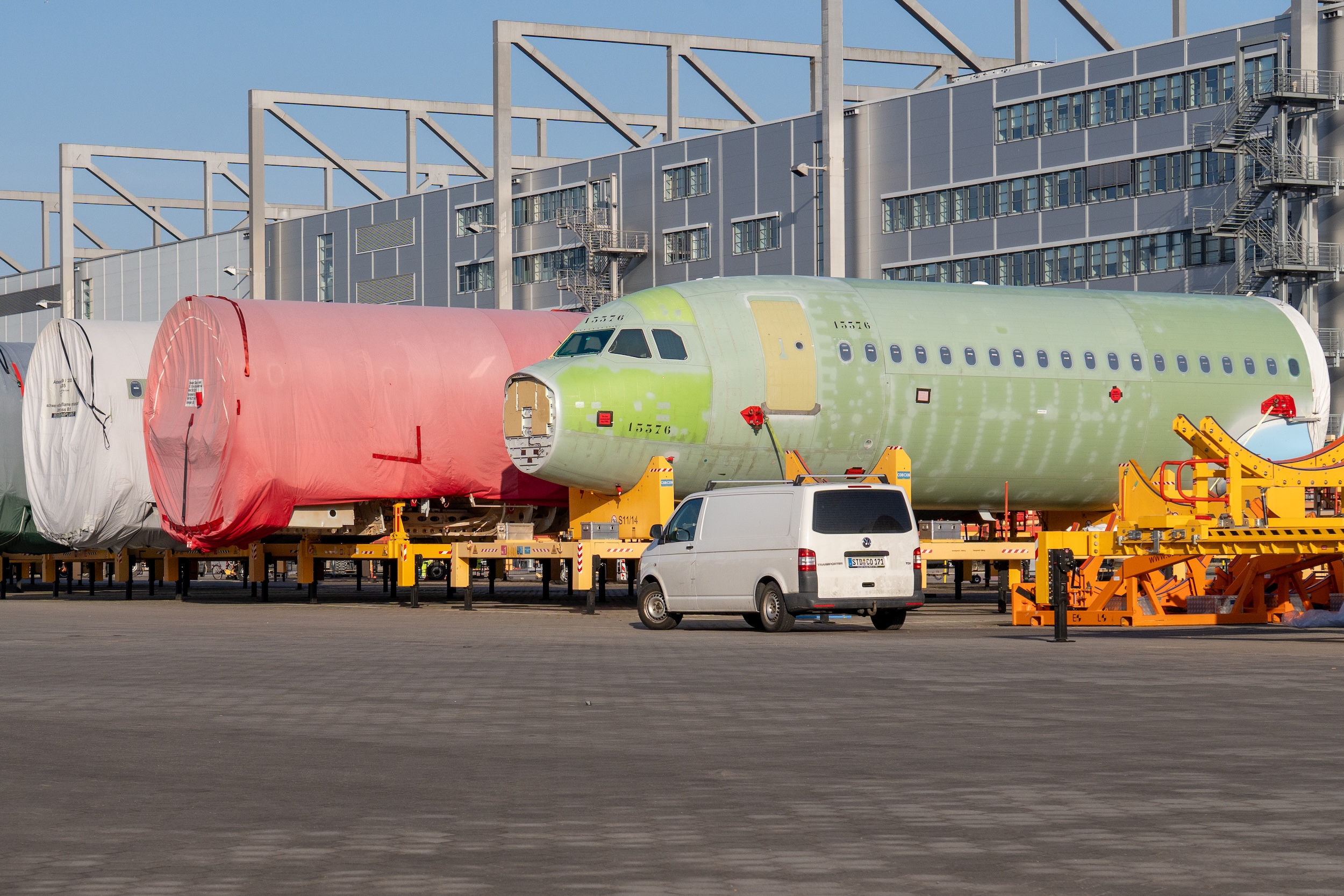
Airbus is notifying its airline customers about a quality defect that could compromise corrosion resistance within the fuselage structure of its A321neo aircraft. The issue, which has not been previously disclosed, affects both aircraft currently in production and those already delivered to operators. People familiar with the matter estimate that over 500 aircraft could be impacted.
According to The Air Current, the lapse originated with an unnamed Tier 2 supplier that applied insufficient corrosion protection to aircraft structures. Airbus confirmed the deviation on stringers located in the lower front section of the fuselage. While the company stated the issue does not pose a safety risk to passengers or operators, it is likely to put pressure on medium-term delivery schedules as rework is undertaken. Aircraft requiring in-service inspections and repairs over the coming years may face delays if not resolved prior to delivery.
This production headache comes as Airbus aims to increase its A320 family aircraft output to 75 jets per month. The European plane maker has previously contended with engine shortages and issues with fabricated fuselage panels, which have hindered its progress toward its 2026 delivery targets. Despite this latest quality concern, Airbus does not anticipate any changes to its full-year delivery guidance.